Pope Leo XIV concludes his Lenten retreat in the Vatican with the Roman Curia and Cardinals in Rome inviting the faithful to conduct themselves in a manner worthy of the Gospel.
The modern alternative to social control media
Pope Leo XIV on Artificial Intelligence and human dignity
Dr Peter Eckersley on Existential Hope and AI
Pope Leo XIV concludes his Lenten retreat in the Vatican with the Roman Curia and Cardinals in Rome inviting the faithful to conduct themselves in a manner worthy of the Gospel.
Bishop Erik Varden delivers his eleventh and last reflection at the Spiritual Exercises in the Vatican for Pope Leo XIV, Cardinals residing in Rome, and heads of Dicasteries, focusing on the theme "To Communicate Hope." The following is a summary of his reflection.
Note: This is the second part in a two part series. Click here for part one.
24) Blessed Anasztáz János Brenner 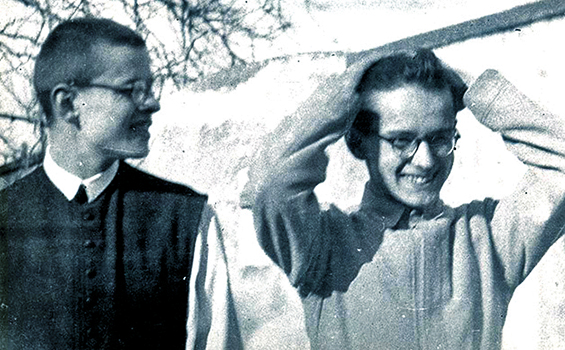
25) Venerable Card. F. X. Nguyễn Văn Thuận (d. 2002)
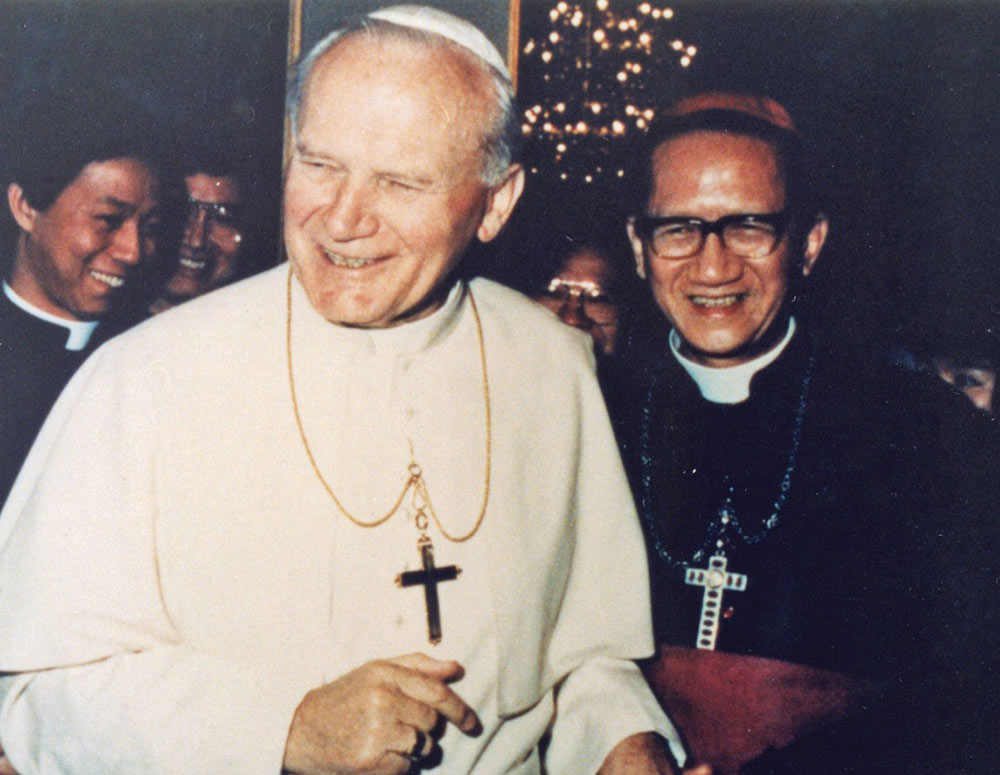
26) Servant of God Madre Leonia Milito (d. 1980) 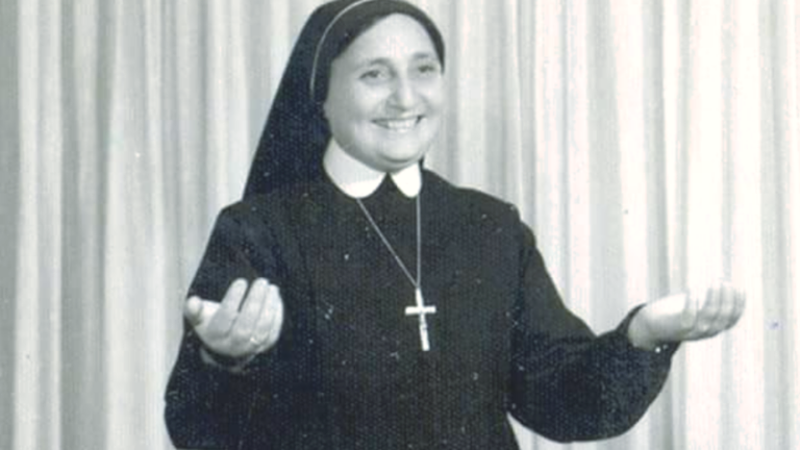
27) Venerable Madre Maria da Santíssima Trindade (d. 1974) 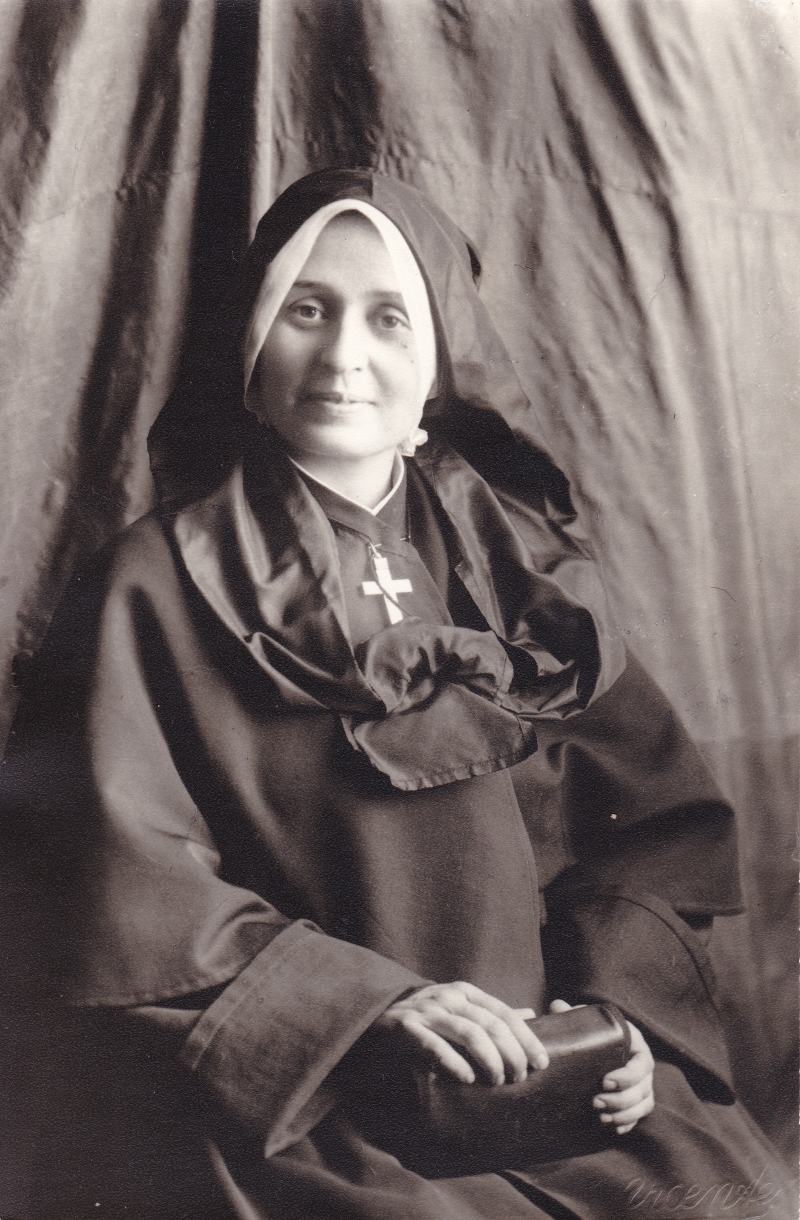
28) Servant of God Father Frédéric-Vincent Lebbe (d. 1940) 
29) Dom Pierre-Celestin Lu, OSB (d. 1949) 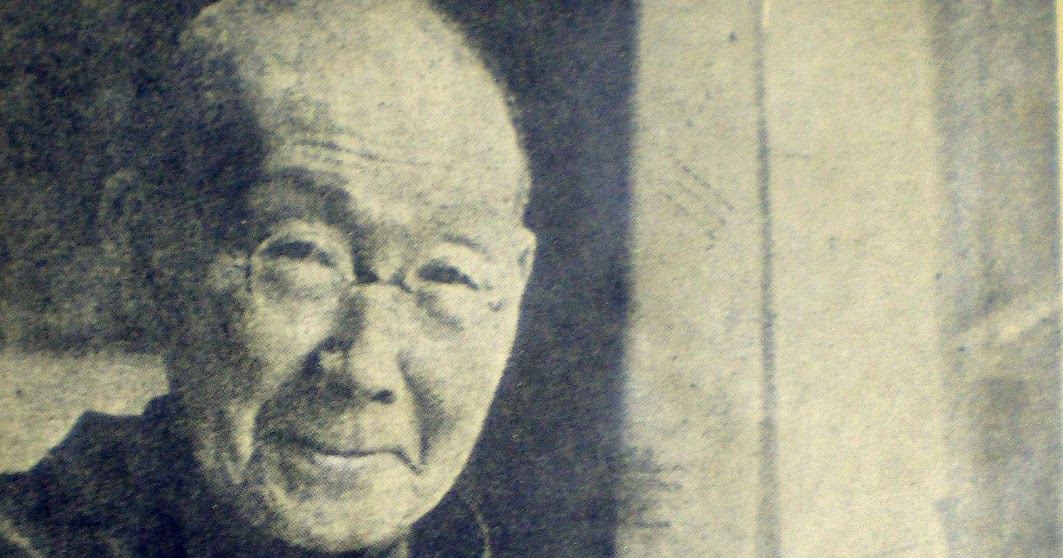
30) Blessed Karl (d. 1922), and: 31) Servant of God Empress Zita (d. 1989) 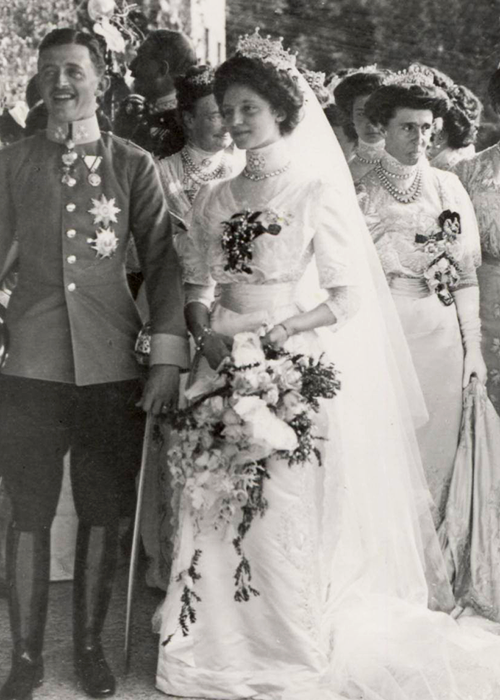
32) Servants of God Cyprien, and: 33) Daphrose Rugamba (d. 1994)
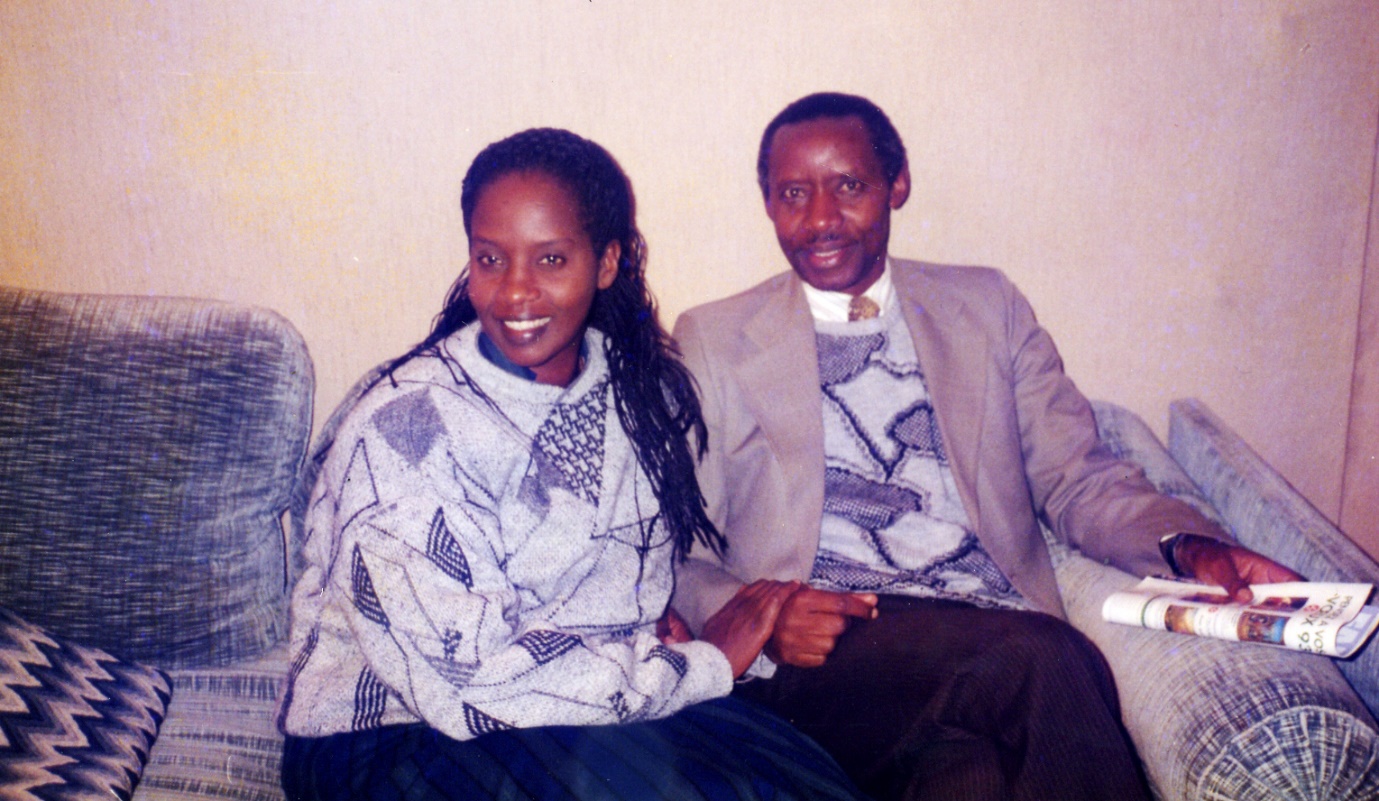
34) Servant of God Bonifcacio Vinicio (d. 1954) 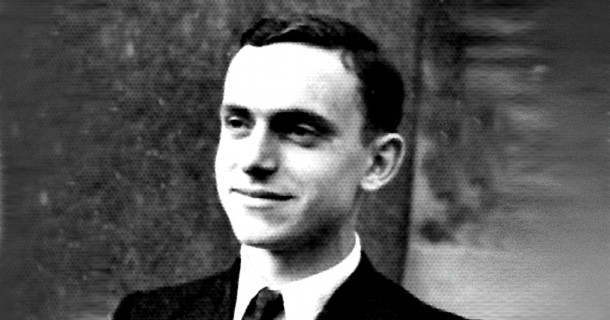
35) Servants of God Gedeone, and: 36) Flavio Corrà, Brothers (d. 1945) 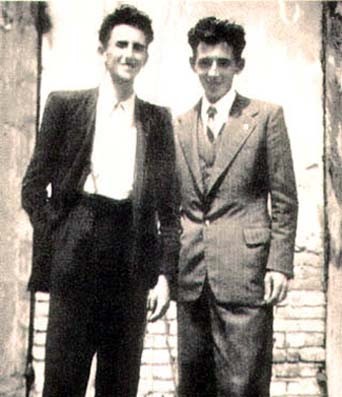
37) Blessed Gaetana Tolomeo (d. 1997) 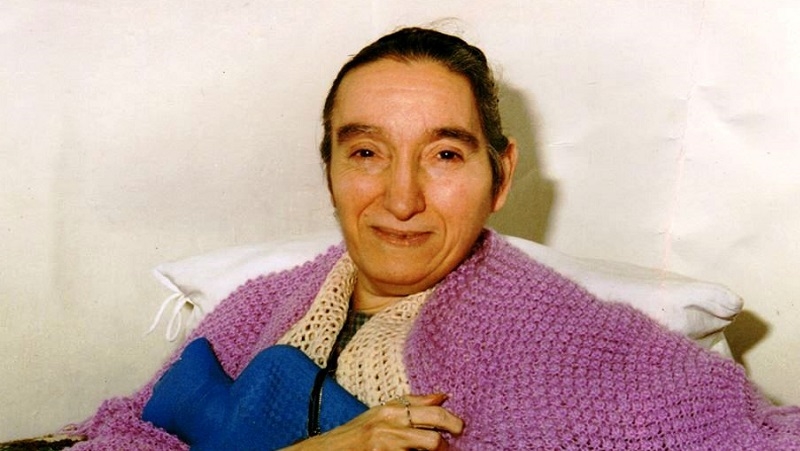
38) Servant of God Clara Fey (d. 1894) 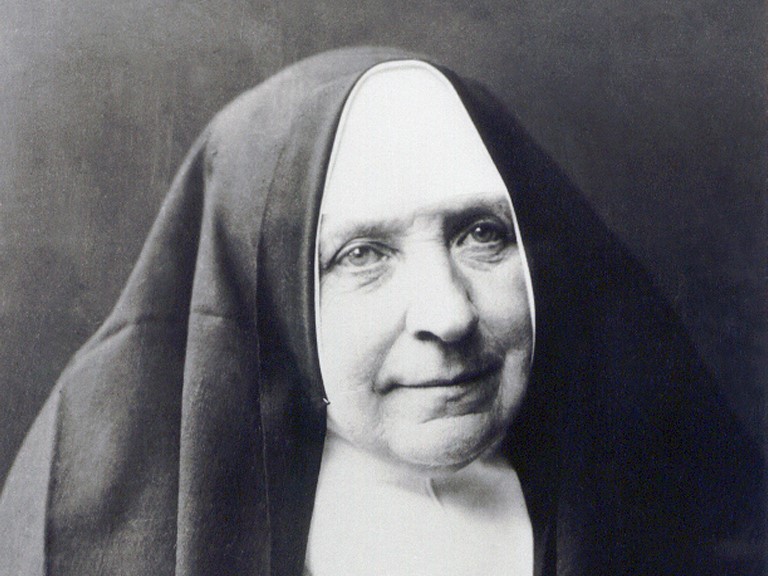
39) Blessed Sandra Sabattini (d. 1984)

40) Servant of God Father Sebald Linders (d. 1944) 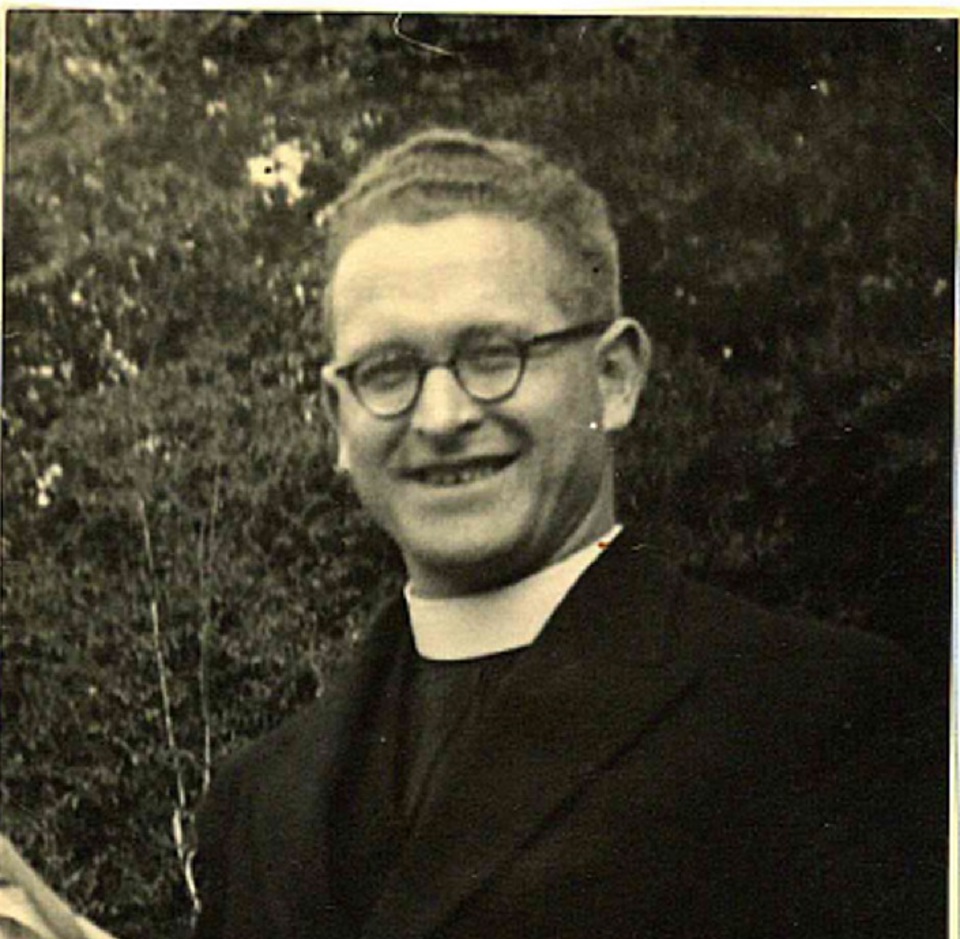
41) Servant of God Jozef van Hövell van Wezeveld en Westerflier (d. 1945) 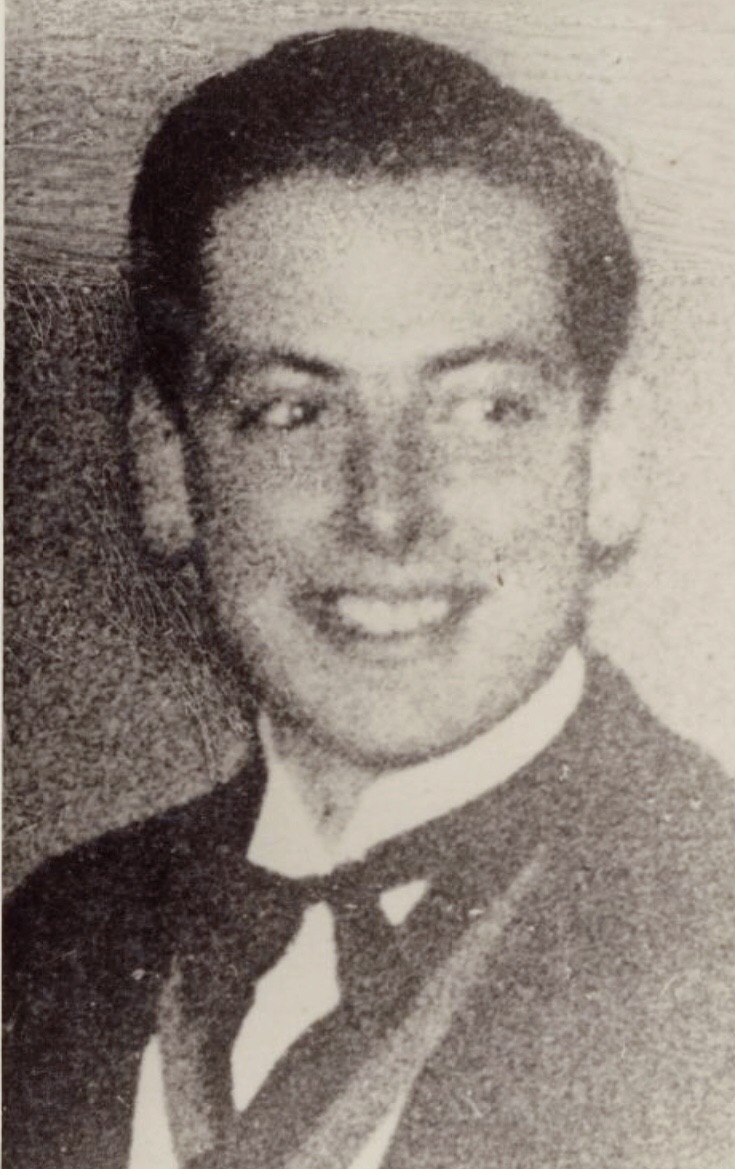
42) Servant of God Gilbert Dru (d. 1944)
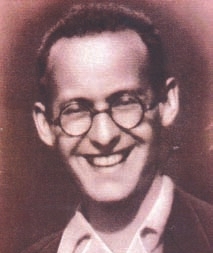
43) Venerable Satoko Kitahara (d. 1958) 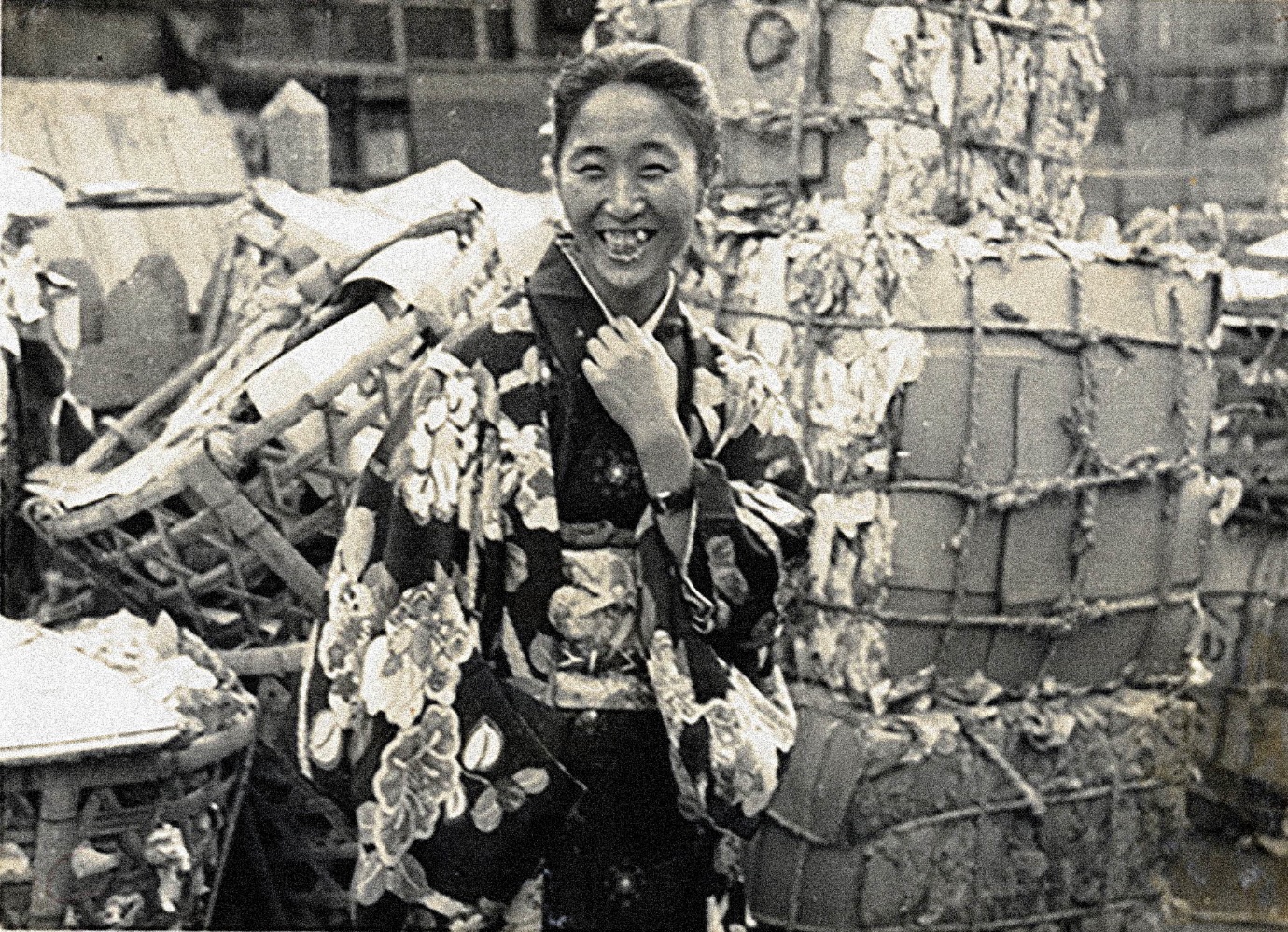
44) Servant of God Father André Prévot 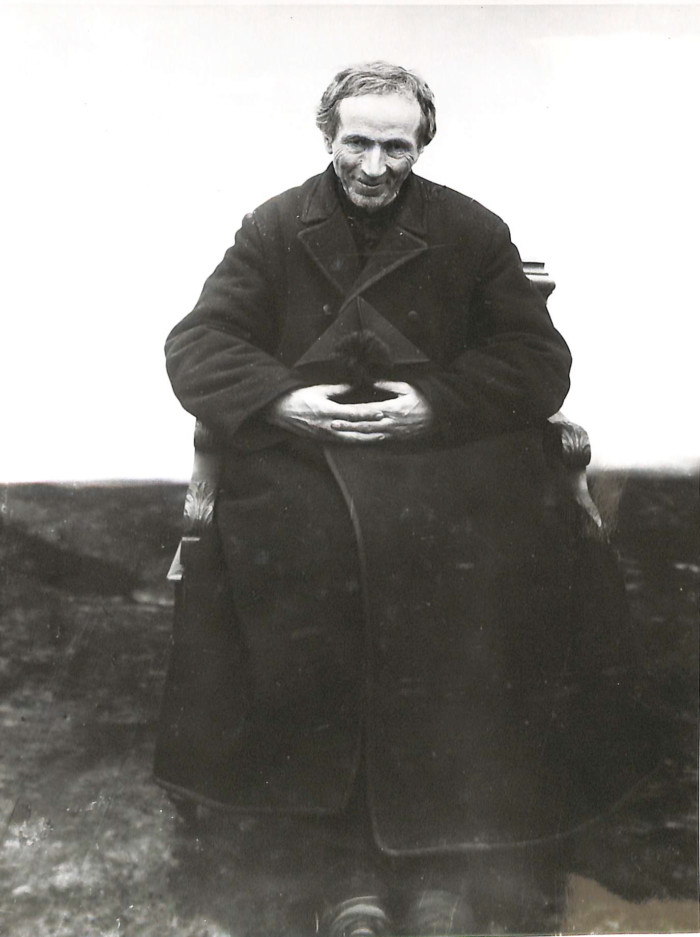
45) Venerable Enrico Ernesto Shaw (pictured with his family) (d. 1962) 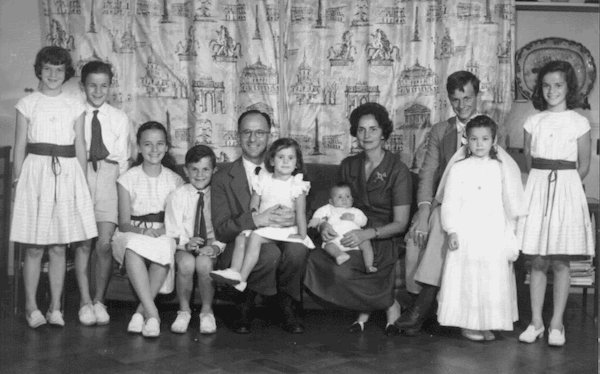
46) Servant of God Mère Marie de Béthanie (d. 1945) 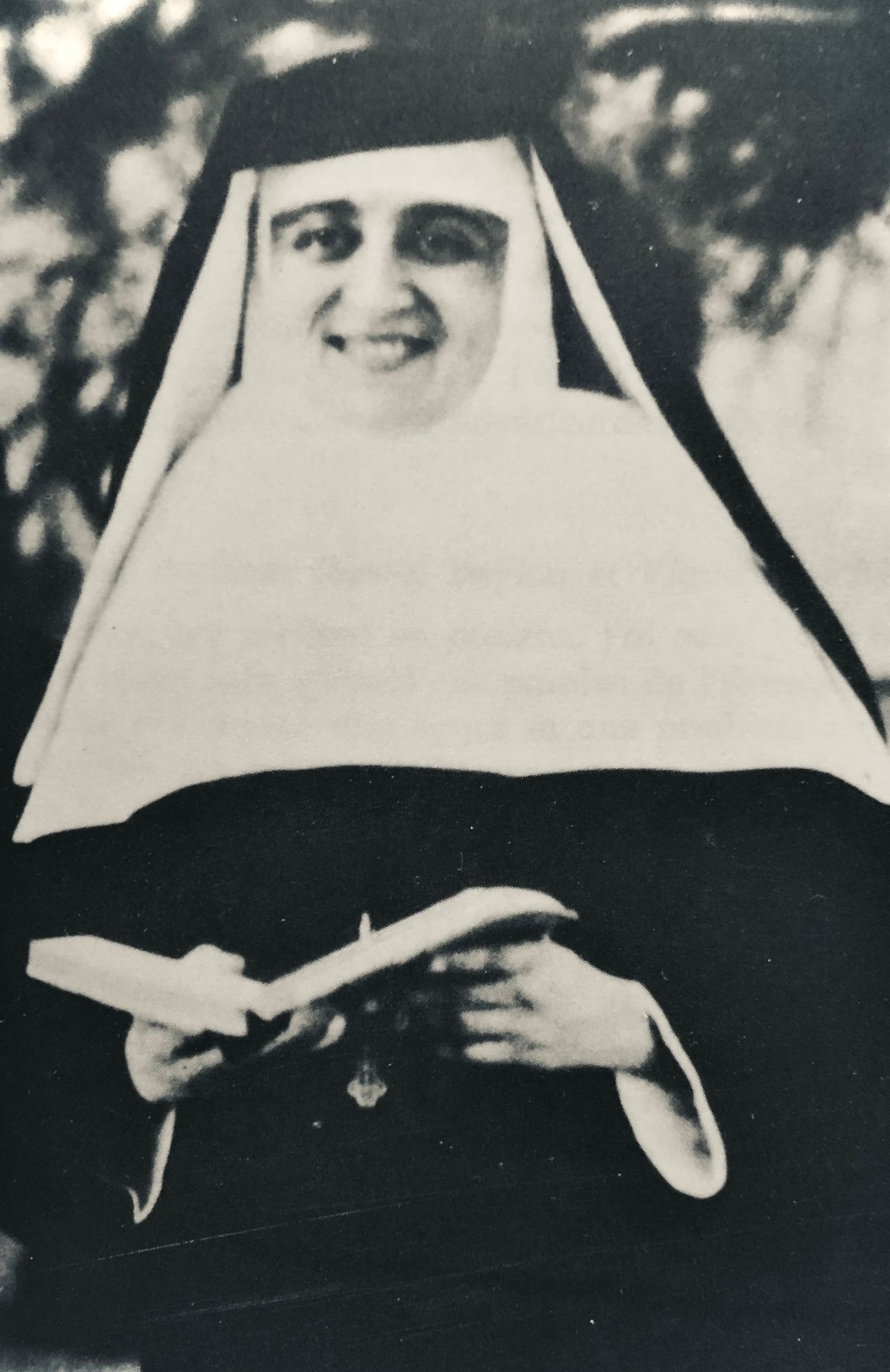
47) Servant of God Bishop Vittorio Moietta (d. 1963) 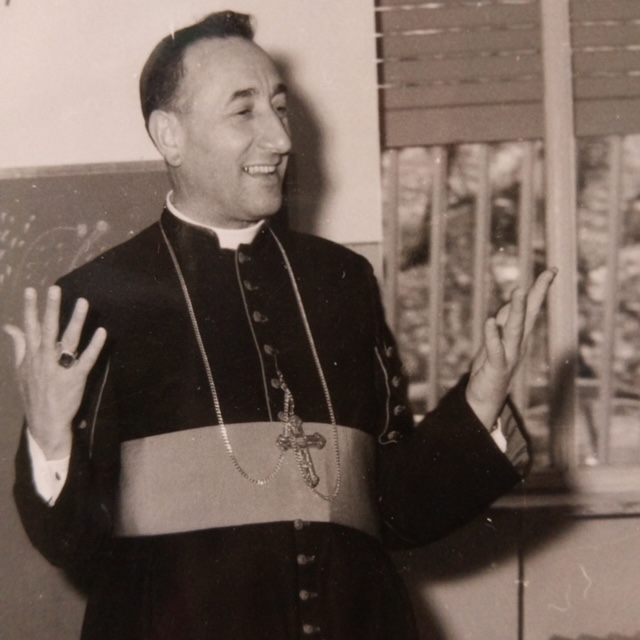
48) Venerable Deacon João Pozzobon (d. 1985) 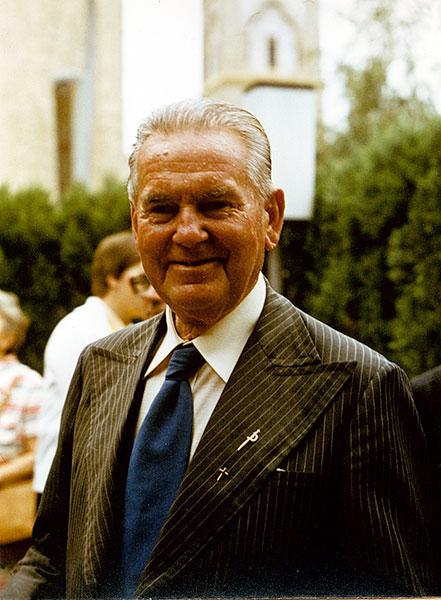
49) Venerable Giuseppe Quadrio (d. 1963)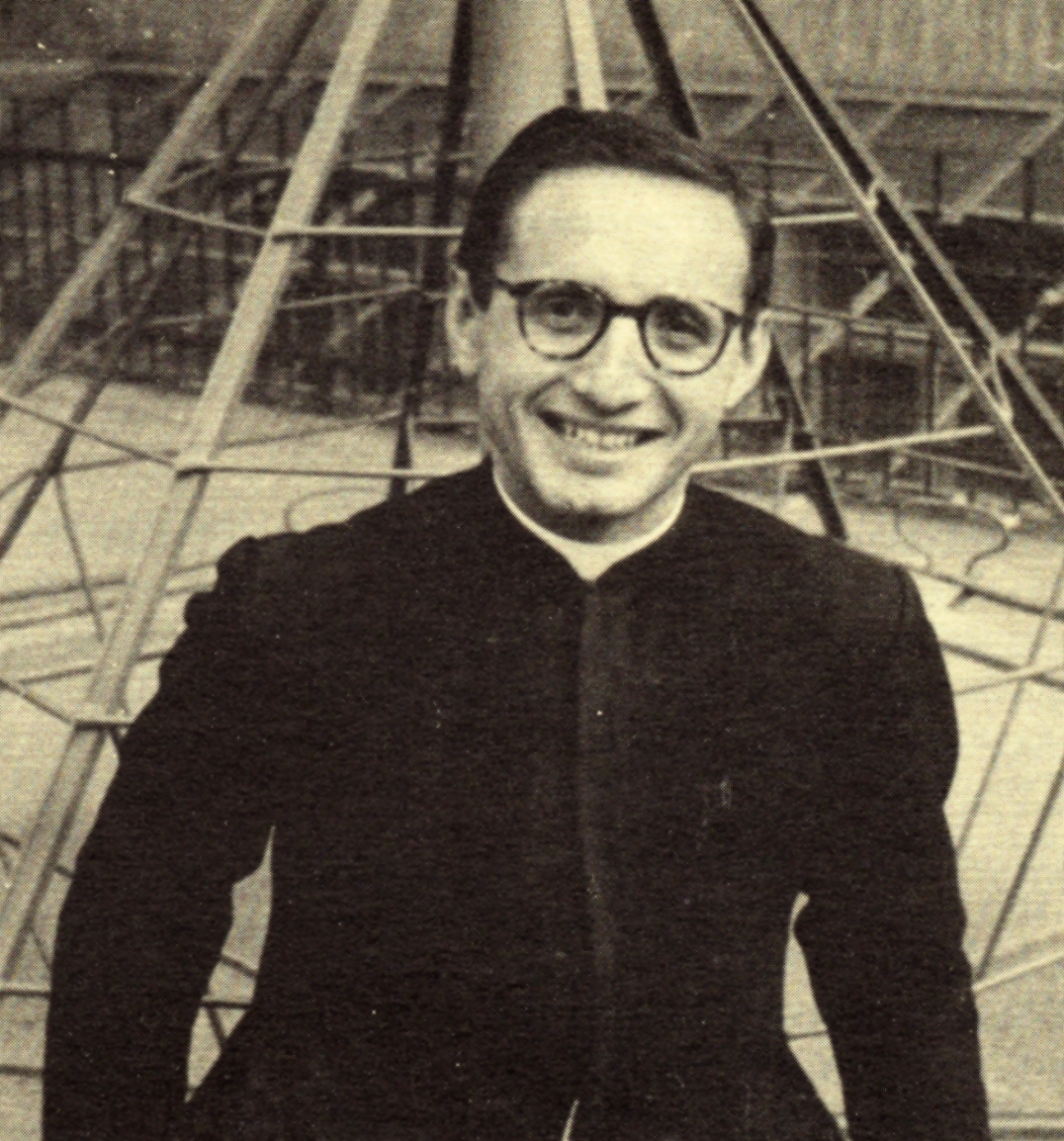
Catholics in Seoul have begun a series of public Masses opposing the extension and expansion of nuclear power plants, ahead of the 15th anniversary of the Fukushima disaster.
The United Nations High Commissioner for Human Rights sounds the alarm on a deteriorating situation in South Sudan and calls for an immediate halt to hostilities and a renewed commitment to the peace agreement.
Fr. Ariel Suárez Jáuregui from Havana speaks to Vatican News about the current situation in the country, describing it as “frankly difficult”, but he points out that the Church in Cuba is a sign of hope and comfort.
Cardinal Jean-Paul Vesco, Archbishop of Algiers, speaks to Vatican News following the official announcement of Pope Leo XIV’s journey to Algeria in April.
The Vicar General of the Catholic diocese of Moscow speaks to Vatican News about the ‘countless lives’ lost during the conflict in Ukraine, the importance of empathising with the ‘other’, and the situation of Russia’s tiny Catholic community.
ROME (CNS) -- Eight hundred years after his death, the bones of St. Francis of Assisi have been placed on public display for the first extended public viewing in history, drawing hundreds of thousands of pilgrims to the hilltop town.
Following Pope Leo XIV's approval and blessing of this exposition, St. Francis' skeleton was exhumed from the sarcophagus where it normally rests and placed on a specially prepared table in the crypt of the Basilica of Saint Francis of Assisi Feb. 21. His remains will be on display until March 22, when Cardinal Matteo Maria Zuppi, archbishop of Bologna and president of the Italian bishops’ conference, is to preside over a closing celebration.
As of the opening day Feb. 22, more than 370,000 people had registered to venerate the remains, according to the Franciscan community at the Sacred Convent of Assisi. The majority have been Italian pilgrims, though the second-highest number of registrations have so far come from the United States.
The friars at the Sacred Convent in Assisi described the exposition as "an invitation to rediscover the legacy of Francis, a man whose message of peace and fraternity continues to resonate deeply with humanity.”
For some, the sight of a saint’s bones inspires devotion. For others, it may provoke discomfort or morbid curiosity about why the Catholic Church displays the physical remains of its holy men and women.
According to Catholic tradition, the physical remains of a saint are known as first-class relics. They are venerated not as magical objects, but as tangible reminders that holiness touches both body and soul.
Elizabeth Lev, a U.S. art historian who teaches in Rome, said relics serve as "a concrete reminder that the blessed or saint’s body is here on earth and his or her soul is with God.”
"It feels like you’ve got almost like a hotline into heaven,” she told Catholic News Service in 2011. The relic is "something we can see and touch, and it becomes our portal to a world we cannot see and cannot touch."
Relics, she emphasized, are not charms or spiritual talismans.
"God controls what he’s going to do and how he’s going to do it," she said.
The object itself has no power; it is understood as a channel through which believers direct their prayers.
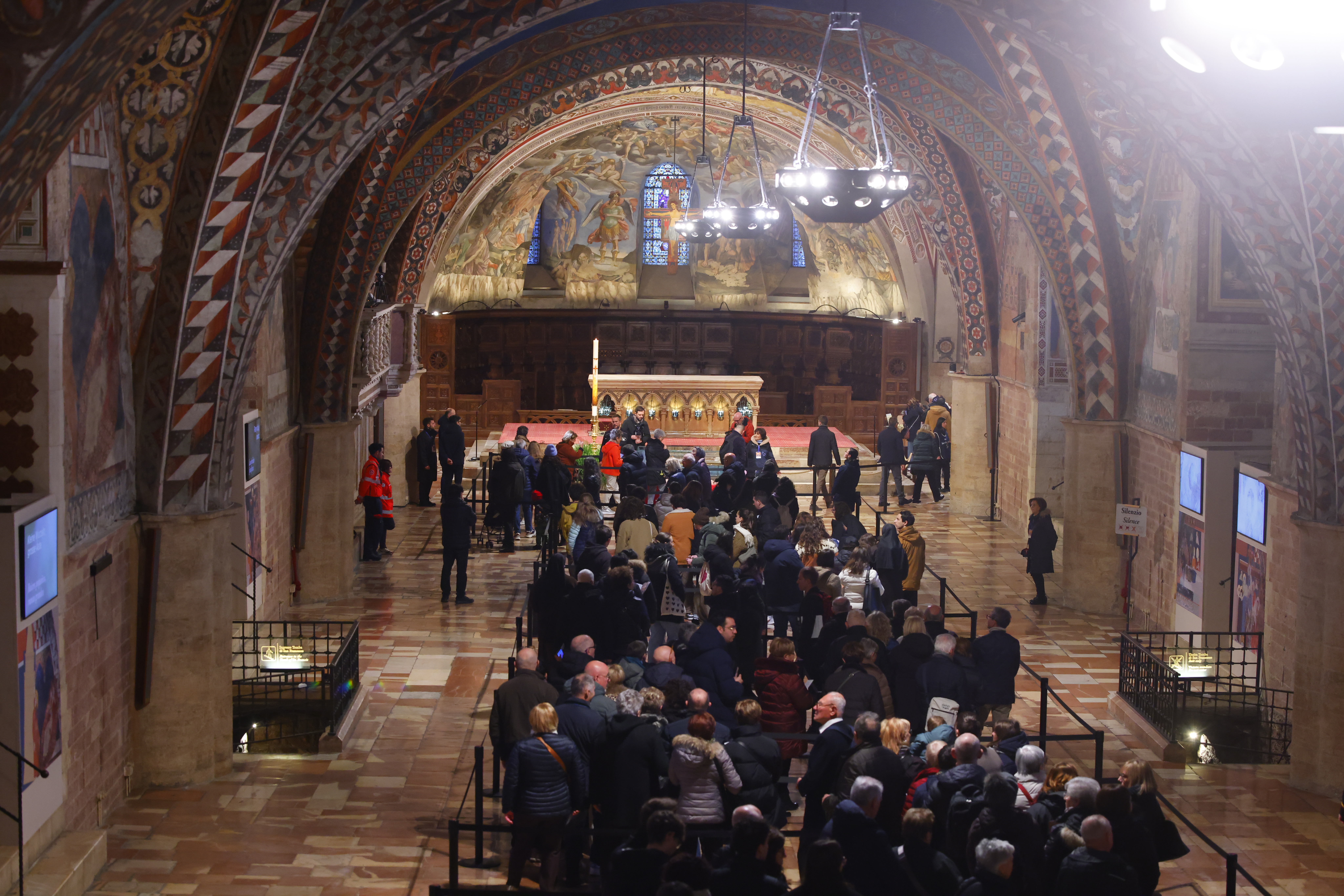
Even in a secularized age, relics continue to draw large crowds. Tours of saints’ remains in Europe and the United States in recent decades have attracted hundreds of thousands of visitors, including many who might not otherwise attend church regularly.
Assisi also holds the remains of the first millennial saint, St. Carlo Acutis, who was canonized last year. His body can be found at the Church of St. Mary Major, where more than 620,000 individuals visited in the first eight months of 2025, according to the Diocese of Assisi.
While in Paris, an estimated 2-3 million annual visitors go to see St. Catherine Labouré's preserved body. Next to the altar, she lies in a glass shrine in the Chapel of Our Lady of the Miraculous Medal, where she is reported to have seen the Virgin Mary in 1830.
The body of St. Thérèse of Lisieux went on a tour of the United States last year, attracting an estimated one million visitors across more than 30 stops. Her permanent shrine in Lisieux brings more than 600,000 visitors annually.
Lev suggested that the enduring appeal may reflect a deeper hunger.
"An over-secularized world that rejects the divine and embraces the finite and man-made leaves a void in people,” she had said. Relics, and the traditions surrounding them, offer a reminder that death does not sever the bonds between the living and the dead in the Christian imagination.
At the Basilica of Saint Francis in Assisi, the friars said in the press release that they invite the faithful to be inspired by the mortal remains of St. Francis, that death can bear fruit.
"This awareness, eloquently expressed through the mortal remains of St. Francis, serves as an invitation to view one’s personal life in a similar light: like Francis, each person is called to give themselves generously in relationships, becoming a living tree of fraternity that continues to bear fruit in the history of the Church and the world," the convent's press release said.
The monthlong exposition includes a vigil with members of the Italian Parliament, a youth gathering titled "Sister Death: An Experience to Embrace,” and a theological conference exploring St. Francis’ understanding of death not as an end, but as a passage.
Though he died 800 years ago, St. Francis is still reminding the faithful that death should be viewed as a transition. During his life, he was known for his love of nature, renounced his wealthy upbringing to live as a beggar, and restored several chapels. He viewed death not with fear, but as a sibling, calling it "Sister Death." For the saint, death was not the end, but a peaceful transition to eternal life with God.
Thus says the Lord GOD:
If the wicked man turns away from all the sins he committed,
if he keeps all my statutes and does what is right and just,
he shall surely live, he shall not die.
None of the crimes he committed shall be remembered against him;
he shall live because of the virtue he has practiced.
Do I indeed derive any pleasure from the death of the wicked?
says the Lord GOD.
Do I not rather rejoice when he turns from his evil way
that he may live?
And if the virtuous man turns from the path of virtue to do evil,
the same kind of abominable things that the wicked man does,
can he do this and still live?
None of his virtuous deeds shall be remembered,
because he has broken faith and committed sin;
because of this, he shall die.
You say, "The LORD's way is not fair!"
Hear now, house of Israel:
Is it my way that is unfair, or rather, are not your ways unfair?
When someone virtuous turns away from virtue to commit iniquity, and dies,
it is because of the iniquity he committed that he must die.
But if the wicked, turning from the wickedness he has committed,
does what is right and just,
he shall preserve his life;
since he has turned away from all the sins that he committed,
he shall surely live, he shall not die.
R. (3) If you, O Lord, mark iniquities, who can stand?
Out of the depths I cry to you, O LORD;
LORD, hear my voice!
Let your ears be attentive
to my voice in supplication.
R. If you, O Lord, mark iniquities, who can stand?
If you, O LORD, mark iniquities,
LORD, who can stand?
But with you is forgiveness,
that you may be revered.
R. If you, O Lord, mark iniquities, who can stand?
I trust in the LORD;
my soul trusts in his word.
My soul waits for the LORD
more than sentinels wait for the dawn.
Let Israel wait for the LORD.
R. If you, O Lord, mark iniquities, who can stand?
For with the LORD is kindness
and with him is plenteous redemption;
And he will redeem Israel
from all their iniquities.
R. If you, O Lord, mark iniquities, who can stand?
Cast away from you all the crimes you have committed, says the LORD,
And make for yourselves a new heart and a new spirit.
Jesus said to his disciples:
"I tell you,
unless your righteousness surpasses that
of the scribes and Pharisees,
you will not enter into the Kingdom of heaven.
"You have heard that it was said to your ancestors,
You shall not kill; and whoever kills will be liable to judgment.
But I say to you, whoever is angry with his brother
will be liable to judgment,
and whoever says to his brother, Raqa,
will be answerable to the Sanhedrin,
and whoever says, 'You fool,' will be liable to fiery Gehenna.
Therefore, if you bring your gift to the altar,
and there recall that your brother
has anything against you,
leave your gift there at the altar,
go first and be reconciled with your brother,
and then come and offer your gift.
Settle with your opponent quickly while on the way to court.
Otherwise your opponent will hand you over to the judge,
and the judge will hand you over to the guard,
and you will be thrown into prison.
Amen, I say to you,
you will not be released until you have paid the last penny."
Lectionary for Mass for Use in the Dioceses of the United States, second typical edition, Copyright © 2001, 1998, 1997, 1986, 1970 Confraternity of Christian Doctrine; Psalm refrain © 1968, 1981, 1997, International Committee on English in the Liturgy, Inc. All rights reserved. Neither this work nor any part of it may be reproduced, distributed, performed or displayed in any medium, including electronic or digital, without permission in writing from the copyright owner.
Bishop Erik Varden delivers his tenth reflection at the Spiritual Exercises in the Vatican for Pope Leo XIV, Cardinals residing in Rome, and heads of Dicasteries, focusing on the theme of 'On Consideration'. The following is a summary of his reflection.
A 5 minute daily podcast to help you in your Lenten discipline.
Today we learn about the Station of all four Ember Fridays. Pius Parsch on the happiness of a clear conscience.

The 2026 NSW Primary School Sports Association Girls Cricket Championships concluded in Armidale on 19 February, with MacKillop delivering a commanding performance to secure the state title after four outstanding days of competition.
Held from 16 to 19 February, the championship carnival brought together the most talented primary school cricketers from across New South Wales.
Representing dioceses from Sydney, Parramatta, Wollongong, Canberra-Goulburn and Wagga Wagga, MacKillop entered the tournament in strong form and departed as deserving champions.
The team set the tone early. In the opening round, MacKillop comfortably chased down Sydney North’s 9/68, finishing 1/69 in a confident start to the campaign. Round 2 saw an even stronger display, with MacKillop compiling 9/115 before dismissing North Coast for just 50.
One of the most emphatic performances of the carnival came in Round 3. MacKillop amassed an imposing 4/179 before bowling Hunter Gold out for only 17, underlining both their batting depth and bowling precision.
Momentum continued in Round 4, when South Coast was restricted to 10/61 and MacKillop replied with a composed 6/127.
Further victories over North West and Riverina completed an unbeaten pool stage campaign. Finishing top of Pool A secured MacKillop a place in the grand final and confirmed their status as the team to beat.
The decider, played at Harris Park in Armidale, pitted MacKillop against Sydney West in a fitting contest between the tournament’s two strongest sides. Sydney West posted a competitive 8/112 after winning the toss and electing to bat.
In response, MacKillop displayed maturity and poise beyond their years. The chase was paced expertly, with disciplined shot selection and strong running between the wickets. Reaching 5/113, MacKillop sealed the NSW PSSA Girls Cricket Championship and capped off a flawless tournament.
Beyond the scoreboard, the squad’s success reflected more than individual excellence. Throughout the week-long carnival, coaches and supporters praised the team’s discipline, unity and sportsmanship. Their resilience under pressure and willingness to support one another were hallmarks of the campaign.
The tournament also provided a pathway to further representative honours. Five MacKillop players were selected in the NSW PSSA State Team and will represent New South Wales at the School Sport Australia Championships in Newcastle this October.
The selected MacKillop players are Manvitha Chappati of Santa Sophia, Box Hill; Anna Gleeson of St Joseph’s, Lockhart; Emma Harris of McAuley, Rose Bay; Zara Head of Good Samaritan, Fairy Meadow; and Aiyonce Sapamanage of Our Lady of the Angels, Rouse Hill.
Their selection highlights the depth of talent within the MacKillop side and underscores the strength of girls cricket across Catholic primary schools in the state.
MacKillop’s triumph firmly establishes the team as a leading force in primary school girls cricket in New South Wales. It also serves as a testament to the continued growth of the women’s game, with increasing participation and high standards of competition at junior levels.
With a state title secured and five players advancing to national representation, the future looks bright for this talented group.
Congratulations to the 2026 MacKillop PSSA Girls Cricket team, NSW state champions.
The post MacKillop crowned NSW PSSA girls cricket champions appeared first on The Catholic Weekly.

I have sometimes heard of bishops making an “ad limina” visit to Rome. Can you tell me what this is?
The word “ad limina”, or more properly “ad limina apostolorum”, means “to the thresholds of the apostles.” The bishops of the world are required to make a visit to Rome every five years to visit the pope and the tombs of the apostles Peter and Paul.
The Code of Canon Law stipulates: “Every five years the diocesan bishop is bound to submit to the Supreme Pontiff a report on the state of the diocese entrusted to him” (Can. 399 §1), and “in the year in which he is bound to submit the report to the Supreme Pontiff,” he “is to go to Rome to venerate the tombs of the Blessed Apostles Peter and Paul, and to present himself to the Roman Pontiff” (Can. 400 §1).
In practice, due to the large number of bishops in the world, more than 5000, these visits at present occur less often, even every seven or eight years.
In their trip to Rome, the bishops also visit the various dicasteries, or offices, of the Holy See, where they discuss matters relevant to their dioceses. Officials of the Holy See organise for the bishops all the practical details of their visits around Rome and the Vatican, and they have someone to accompany them, to make their visit easier and more pleasant.
The bishops make these visits in groups, depending on the number of bishops in the country. The Australian bishops go all together, whereas in larger countries they go in various groups.

As regards the origin of these visits, some accounts trace them back as far as the fourth century. In the first centuries, bishops, especially from the West, would travel to Rome from time to time to consult with the pope on doctrinal and disciplinary matters, to seek a judgment in difficult matters, and to pray at the tombs of the apostles.
The first Councils dealt with the relations between the dioceses and the Church of Rome, and in 347 the Synod of Sardica addressed a letter to Pope Julius (341-352), explaining that it was fitting for him to be informed of the religious situation in the different parts or provinces of the Roman Empire.
In 597, Pope St Gregory the Great (590-604) reminded his ambassador Cyprian of the ancient practice, initiated by the Bishops of Sicily, of visiting the Eternal City every three years, and so he determined that the “ad limina” visit should take place every five years.
The Council of Rome in 743 issued further provisions for the visit itself. One can only imagine the difficulty bishops from countries far from Rome, such as Egypt, Iraq or India, would have had to travel to Rome in those early centuries.
After the Council of Trent (1545-63), Pope Sixtus V in 1585 formally codified the obligation of diocesan bishops to visit Rome at regular intervals. He also determined that the bishops were to submit a written report on clergy discipline, liturgy and the sacraments, seminaries and the moral and spiritual life of their diocese. The frequency of the visits varied, usually between three and ten years, depending on the distance to be travelled.

In 1988 the Congregation for Bishops issued a comprehensive “Directory for the ‘ad limina’ visit”, setting out the reasons for it and giving detailed indications on how to prepare for the visit and how it was to be conducted.
Whereas, under Pope St John Paul II, the bishops were able to have individual meetings with the Holy Father, Pope Francis chose to have a long meeting with all the bishops together. It seems that Pope Leo is continuing this practice, which has been found to be very beneficial.
In general today, the visits go beyond the merely bureaucratic aspect of giving an account of the diocese to involve a more cordial discussion with the dicasteries and the Holy Father about the real needs of the local church. The meetings thus manifest and strengthen the union of the bishops with the pope, and they confirm the concern of all for the church.
The post Q&A with Fr Flader: What is an ‘ad limina’ visit? appeared first on The Catholic Weekly.

I would be exaggerating if I claimed that I had no other choice but to write a review of the movie by the same title but, given that my mind kept returning to it more times than I could count, I thought it worthwhile to put down a few words. Besides, the movie is an Oscar contender this year.
Some might suspect I am biased because I am Korean, just like those who made the movie, but I had a lot of respect for its director and writer even when I used to have little for the Korean film industry in general. Just to clarify, the same industry seems to have become more accomplished in recent years.
No Other Choice begins with an idyllic scene in which the main character, Man-Su, in the presence of his family, happily exclaims, “It is accomplished!”
By this he means that he has achieved the Korean equivalent of the American Dream – he has worked hard and risen in socioeconomic status, and now nothing seems to be beyond his reach in terms of middle-class aspiration.
But his euphoria turns out to be short-lived as he discovers that the company he works for has been paving the way for the sudden but premeditated announcement of his redundancy.
The company Man-Su helped to grow with expertise and productivity now finds him no longer necessary, especially after becoming more corporatised and globalised. In view of absolute economisation and profit-maximisation, no one seems indispensable, not even Man-Su who has devoted his entire working life to the cause.
His accomplishment is shown to be far more fragile than suspected, as the loss of his job starts a chain reaction of other losses: his dream house, the lifestyles of his wife and children and, most importantly, his own sense of economy-based identity.
After struggling to find a new job in a similar role, a sinister idea enters Man-Su: instead of merely competing against so many others for so few positions, why not eliminate the other competitors, quite literally?
After all, they are already operating in a cut-throat environment which treats people as a means to an end rather than as human beings with inherent dignity. So why should he not take the same logic one step further and “terminate” those who cause inefficiency or shortage in the fulfilment of the vision of life that has been inculcated in him?
Three main figures are identified by Man-Su as his greatest competitors. As he researches and even spies on them, what shines through is their humanity. They are not mere avatars to be registered or deleted on a computer but real people whose stories bear touching similarities to that of Man-Su, who himself recognises this and develops an affinity with them.
Nevertheless, what the audience can see as compelling reasons for him to stop the murderous project seem like unfortunate footnotes to Man-Su, who is convinced that their humanity has little or nothing to do with it.
After all, “we are in a war” Man-Su tells his teenage stepson who, upon being caught stealing, is now being coached by him to throw a friend under the bus. In other words, life is a zero-sum game where self-preservation is the supreme law. Therefore, whatever one has to do to protect oneself or one’s family is justified.
In this way, Man-Su does not fall alone. He brings down with him his wife, who becomes complicit in the murders by turning a blind eye, and his son, who imbibes the corruption of his parents.
In the end, the dehumanising logic by which Man-Su justifies deceit, greed and even murder comes to define him. So it is ominously ironic when, after being cleared of all suspicion by sheer luck and finally getting the job he desperately wanted, he finds himself in a workplace operated almost entirely by artificial intelligence, with him as the sole human.
What now is the purpose of his existence? How long will it last? And, most importantly, how true was it that, in his warfare to (supposedly) save his family, he really had no other choice?
No Other Choice is screening in Australian cinemas. Classification: MA15+.
The post No Other Choice but the ‘new normal’? appeared first on The Catholic Weekly.
Bishop Erik Varden delivers his ninth reflection at the Spiritual Exercises in the Vatican for Pope Leo XIV, Cardinals residing in Rome, and heads of Dicasteries, focusing on the theme of 'Bernard the Realist'. The following is a summary of his reflection.
Archbishop Paul Gallagher calls for finding the right channels for a just and lasting peace in Ukraine, in an address to the OCSE Permanent Council on the fourth anniversary of Russia’s full-scale invasion.
The Archbishop of Bamenda in Cameroon has said he is filled with joy and great anticipation for the visit. The official announcement of Pope Leo XIV’s upcoming visit to Cameroon promises to be a beacon of hope amid ongoing challenges in the country.
In the US magazine Newsweek’s 2026 World’s Best Hospitals ranking, the Bambino Gesù Hospital classifies as first amongst those in Europe and 6th best in the world.
On the occasion of the National Day of Prayer, observed in Ukraine on the anniversary of Russia’s full-scale invasion, the country’s Caritas organizations gather in Kyiv to pray for peace and assess humanitarian needs after so many years of war, reflecting on the extraordinary solidarity shown by the entire world.
Global military expenditure continues to grow amid persistent geopolitical tensions, according to the International Institute for Strategic Studies.
The local Church in Monaco is looking forward with joyful expectation to the upcoming Apostolic Journey of Pope Leo XIV, with civil and ecclesial authorities highlighting the historic nature of the papal visit.
Queen Esther, seized with mortal anguish,
had recourse to the LORD.
She lay prostrate upon the ground, together with her handmaids,
from morning until evening, and said:
“God of Abraham, God of Isaac, and God of Jacob, blessed are you.
Help me, who am alone and have no help but you,
for I am taking my life in my hand.
As a child I used to hear from the books of my forefathers
that you, O LORD, always free those who are pleasing to you.
Now help me, who am alone and have no one but you,
O LORD, my God.
“And now, come to help me, an orphan.
Put in my mouth persuasive words in the presence of the lion
and turn his heart to hatred for our enemy,
so that he and those who are in league with him may perish.
Save us from the hand of our enemies;
turn our mourning into gladness
and our sorrows into wholeness.”
R. (3a) Lord, on the day I called for help, you answered me.
I will give thanks to you, O LORD, with all my heart,
for you have heard the words of my mouth;
in the presence of the angels I will sing your praise;
I will worship at your holy temple
and give thanks to your name.
R. Lord, on the day I called for help, you answered me.
Because of your kindness and your truth;
for you have made great above all things
your name and your promise.
When I called, you answered me;
you built up strength within me.
R. Lord, on the day I called for help, you answered me.
Your right hand saves me.
The LORD will complete what he has done for me;
your kindness, O LORD, endures forever;
forsake not the work of your hands.
R. Lord, on the day I called for help, you answered me.
A clean heart create for me, O God;
give me back the joy of your salvation.
Jesus said to his disciples:
“Ask and it will be given to you;
seek and you will find;
knock and the door will be opened to you.
For everyone who asks, receives; and the one who seeks, finds;
and to the one who knocks, the door will be opened.
Which one of you would hand his son a stone
when he asked for a loaf of bread,
or a snake when he asked for a fish?
If you then, who are wicked,
know how to give good gifts to your children,
how much more will your heavenly Father give good things
to those who ask him.
“Do to others whatever you would have them do to you.
This is the law and the prophets.”
Lectionary for Mass for Use in the Dioceses of the United States, second typical edition, Copyright © 2001, 1998, 1997, 1986, 1970 Confraternity of Christian Doctrine; Psalm refrain © 1968, 1981, 1997, International Committee on English in the Liturgy, Inc. All rights reserved. Neither this work nor any part of it may be reproduced, distributed, performed or displayed in any medium, including electronic or digital, without permission in writing from the copyright owner.
Bishop Erik Varden delivers his eighth reflection at the Spiritual Exercises in the Vatican for Pope Leo XIV, Cardinals residing in Rome, and heads of Dicasteries, focusing on the theme of 'God's Angels'. The following is a summary of his reflection.
The Holy See reiterates the moral imperative of disarmament amid massive expansion of arms budgets, and warns against the militarization of outer space, which must remain the “province of all mankind.”
A 5 minute daily podcast to help you in your Lenten discipline.
Today we hear about St. Lawrence, his churches in Rome and his martyrdom. Why did the Lord at first refuse a miracle to the Canaanite woman?

Led by Cardinal Mykola Bychok CSsR, several hundred people commemorated the sombre fourth anniversary of the devastating Russian invasion of Ukraine in the forecourt of St Mary’s Cathedral on 24 February.
Cardinal Bychok, who lives in Melbourne, is the Eparch of the Ukrainian Greek-Catholic Church in Australia and Oceania.
In four years, Ukraine has suffered an estimated 500,000 military casualties, Russia possibly as many as 1.2 million. More than 5 million Ukrainians have fled the country. About 15,000 Ukrainian civilians have died, including about 780 children. Much of the country’s infrastructure has been destroyed.
And the war shows no sign of stopping.
Amidst all these horrors in the heart of 21st century Europe, Cardinal Bychok singled out one – the deportation of Ukrainian children.
“Thousands of our sons and daughters – some as young as infants – have been taken from their homes, separated from their families, transported deep into Russia, and subjected to forced assimilation,” he told the crowd. “This is not only a violation of international law; it is a violation of the most sacred bond God has created – the bond between parent and child.”

This war crime has been well documented. Yale Medical School estimates that more than 19,000 Ukrainian children have been deported to Russia.
President Putin and the Russian Commissioner for Children’s Rights, Maria Lvova-Belova, have been indicted by the International Criminal Court (ICC) as the masterminds of this policy.
The Ukrainian government maintains a website listing the names of 20,000 Ukrainian children who have been abducted. The United State Senate recently held a hearing at which witnesses claimed that Ukrainian children have been re-registered, made citizens of Russia, indoctrinated, and pressured to reject their families and their country. Even if they do return, they could be deeply traumatised.
European media have even reported that authorities in the Russian-occupied Luhansk region created an online “catalogue” of Ukrainian children for adoption. Prospective parents can filter the children for age, gender, eye colour, and even character traits like “obedient” or “calm”.
“These children are not statistics,” insisted Cardinal Bychok. “They are living souls. They have names, stories, dreams. They belong to families who wait every day for news, who pray every night for a miracle, who refuse to surrender hope. And we stand with them. We raise our voices for them. We will not allow the world to forget them.”
The president of the Ukrainian Council of NSW, Andrew Mencinsky, told The Catholic Weekly that Russia’s treatment of Ukrainian children was “barbaric.”

But even children who are safe with their families are suffering, he said. For four years they have known only war.
“They’re living in bunkers, being woken in the middle of the night because there’s massive shelling of residential areas having to go underground. Schools are now held underground or online, which has terribly impacted the level of education in Ukraine.
Children need to be together to learn,” he said. “Remember how people complained about having to do distance learning during COVID? Well, imagine distance learning while missiles are falling on your head.”
Mencinsky said that the Ukrainian community was both exhausted and absolutely determined to continue to fight. When the war began, he used to tell people: “You don’t understand the Ukrainian mindset. They had Russia trying to destroy them for hundreds of years, and they resisted every time. They’ll resist again.”
Pope Leo XIV recently lamented the tragedy of the war in Ukraine. “Peace cannot be postponed,” he said. “I renew my heartfelt appeal: let the weapons fall silent, let the bombings cease, let an immediate ceasefire be reached, and let dialogue be strengthened to pave the way toward peace.”
However, the Australian media has succumbed to crisis fatigue. Coverage of the fourth anniversary has been minimal. Mencinsky said that one prominent politician had told him that no one in Parliament House wakes up in the morning and thinks, “I’ve got to help Ukraine.” He hopes that publicising the fate of those 20,000 children will help change that.
The post World ignores fate of 20,000 abducted Ukrainian children appeared first on The Catholic Weekly.

A record-breaking fundraising tally was just one highlight at an annual dinner dance hosted by Sydney-based charity Somascan Missions. The evening for more than 650 guests held in Condell Park on 14 February showcased many life-changing successes since the last annual fundraiser.
It raised almost $400,000 for the charity’s local and global projects which assist orphaned, abandoned and impoverished children in Sri Lanka, India and Mozambique.
Over the past five years the event has grown into a major fundraiser in Sydney’s southwest, with people packing the Grand Vaudaville in Condell Park in Sydney’s southwest for an evening of food, fun and fellowship.
Somascan Missions is based at St Joseph’s parish in Moorebank, parish priest Fr Mathew Velliyamkandathil CRS and Glenmore Park parish priest Fr Johnson Malayil CRS were joined for the evening by their assistant priests Fr David Romero Rodas CRS, Fr Paul Antony CRS and Fr Sheldon Burke CRS. A number of clergy and benefactors from across the Archdiocese of Sydney were also in attendance.
Assistant priest at St Mary’s Cathedral Fr Benjamin Saliba returned to MC the event, entertaining the crowd along with fundraiser favourite DJ Mr Jayson as the silent auctions and raffles got underway.
New to the line-up was R&B band Mahogany Flow, fronted by British-Caribbean vocalist Laura Stephenson, and artist Haley from Illustorystudio, who hand-drew watercolour and digital portraits of couples throughout the evening.

Former assistant priest Fr Chris de Sousa CRS, now the Rome-based general councillor for the Somascan Fathers, delivered the keynote speech for the evening.
This included updates to a planned rehabilitation and formation retreat centre near Goulburn, progress on the establishment of a new school, Emiliani College, new partnerships with Mission Australia, and the arrival of two religious sisters, Missionary Daughters of St Jerome Emiliani to assist in pastoral services across the communities.
Also announced was the successful completion of restoration works at St Jerome College in Nagercoil, Tamil Nadu, in India, the major international project which was supported by the 2025 fundraiser.
Fr de Sousa invited representatives of Settlement Services International (SSI), a national not-for-profit social services organisation, to join him and commemorate a significant partnership with Somascan Missions to support foster care in New South Wales.
A memorandum of understanding had been secured to promote awareness about foster care, strengthen recruitment across migrant communities, and co-design trauma-informed, spiritually and culturally responsive youth programs for children and young people in the system through the Somascan Youth Movement, he said.
“Our partnership further includes early-intervention family preservation support, practical assistance for vulnerable families through our Somascan Family Ministries, and enhanced support for foster carers – particularly kinship grandparents – reducing burnout and strengthening placement stability through MianiCare and MianiMeals,” he explained.

In late November and early December, Cyclone Ditwah devastated the island nation of Sri Lanka, affecting and displacing 2.2 million people across all 25 districts of the country in one of the worst flood disasters for more than two decades.
Fr de Sousa told guests that on behalf of the global missions office, he travelled to Sri Lanka to assess damages to boys’ homes in Negombo and Kandy and discovered an “overwhelming need” for more support there.
Consequently, funds from this year’s dinner dance will go towards the construction of a new boys’ home in the district of Kurunegala, located between the two present homes.
Many generous donors added to the success of the evening with silent auction prizes including a framed replica of the tilma of Our Lady of Guadalupe which auctioned for $60,000; a record bid for the annual dinner dance.
For more information on Somascan Missions see www.somascanmissions.org.au or email info@somascan.org.au.
The post Fundraiser raises almost $400,000 for children and youth projects appeared first on The Catholic Weekly.

Each year, more and more women are choosing to step away from the noise of everyday life and treat the annual Women’s Lenten Retreat as a kind of pilgrimage.
What began as a single retreat day has now grown so significantly that in 2026, organisers have had to open two retreat dates to make room for all those who wish to attend.
“Last year we had 700; this year across the two events we’re close to 1,000 women,” says Hazel Lim, mission manager from the Life, marriage, and family team within the Sydney Centre for Evangelisation. Hazel believes the surge in interest is a profound expression of what St John Paul II called the genius of women, especially the gift of receptivity.
“St John Paul II in Mulieris Dignitatem talks about women having the gift of receptivity, and that’s intrinsic in us,” Hazel reflects. “Whether we exercise it or not, whether we know it or not, it’s innate in us, and there is a real yearning for us to be able to receive an intimate love that comes from our Lord.”
In a world where women are constantly pouring themselves out, for families, workplaces, parishes, and communities, the retreat offers a space where they can finally stop, rest, and receive.
“We give so much as women, that we also need to receive. And I think these retreats respond to that yearning, this deep yearning of women being able to receive God’s love so that we’re able to give again and give more! That’s who we are and how we’re made,” reflected Hazel.

The Women’s Lenten Retreat is not simply another event on the calendar. It is a full day intentionally set apart for encounter with Christ.
“This retreat day, centred on ‘Seek His Face’ from Psalm 27, offers a meaningful opportunity this Lent to draw close to Christ, the One who loves you and has longed from eternity to spend this day with you,” said Sr Cecilia Joseph from the Dominican Sisters, who will lead the women through the retreat.
“Being able to dedicate a whole day of just being intimate with our Lord, first of all, takes courage,” Hazel says. “It takes a woman all her boldness and openness to prioritise and say yes to that, but also just to open her heart, that’s a yes as well. But when we say yes, just like our Blessed Mother’s fiat, then we receive so much love from the Lord, and we’re able to give back.”
The retreat is deliberately Lenten in character: a time of stripping back, surrendering, and allowing God to heal and renew.
“Because this is a Lenten retreat, it’s also a day of intentionally emptying ourselves and surrendering to the Lord to fill us up, offer whatever wounds, emptiness we are feeling and allowing him to use us in a way to serve others,” she says.
The day is marked not only by prayer and teaching, but by the powerful presence of other women walking the same path of faith.

“It’s the sharing of our stories, the sharing of our experiences, talking about our challenges in day-to-day life as a woman, as a mother, as a sister, that is what we need,” Hazel explains.
A central feature of the retreat is the presence of the Dominican Sisters of St Cecilia, whose charism and witness help shape the day.
“The Dominican Sisters have got a charism of teaching, and they teach in a way where it really touches our feminine hearts,” Hazel says. “They are used as a mouthpiece to proclaim God’s love and remind us that he is always with us.”
Sr Cecilia sees a deeper movement of the Holy Spirit at work in women’s ministry across the archdiocese.
“The retreat has grown into an intergenerational gathering, with women bringing mothers, aunts, and sisters. Invite a friend who could use encouragement – whatever helps them on their journey toward healing, joy, and the peace found only in Jesus,” she said.
Hazel notes that “there is an openness and a yearning from women to discover more and to grow deeper into their faith.”
“I think we’re seeing an increase in a culture of invitation,” she observes. “There’s a shift where women who are experiencing the joy and love of God are boldly sharing it with other people, other women.”
The day will feature guest speakers including Vivian Mourani, Tinah DeLuca-Tohi, Sr Anastasia OP, Sr Susanna OP as well as an opportunity for Eucharistic adoration, the sacrament of Reconciliation and a Catholic Expo.
The CAS Women’s Lenten Retreat is led by the Dominican Sisters and hosted by the Catholic Women’s Network and Sydney Catholic Schools. The first retreat was held on 28 February and another one will be held on Saturday 14 March 2026 at St Mary’s Cathedral. To register go to: https://www.trybooking.com/events/landing/1512621
The post Women’s Lenten retreat is a call to deepen intimacy with Christ appeared first on The Catholic Weekly.

By Tim Lee
Lunar New Year 2026 was on Tuesday 17 February, a day before Ash Wednesday. It runs for 15 days, ending with the Lantern Festival on 3 March, which is also celebrated as Chap Goh Mei, a time for romance. This is about a fortnight after Valentine’s Day. Ramadan, the start of the Muslim fasting month, fell on 19 February this year.
The convergence of Lunar New Year, Lent and Ramadan happens once in 163 years. The last time this occurred was in 1863, when Christians, Chinese, and Muslims lived, for the most part, separate lives. These days we rub up against one another all the time.
For Catholics who, like myself, straddle two of these cultures, the overlap between Lunar New Year and Lent can lead to tension between faith and culture. When Lent precedes Lunar New Year by a few days, we find ourselves fasting then feasting too soon. This year, we feast then fast then feast then fast again. Or at least some of us do.
Lunar New Year is celebrated by the Chinese, Vietnamese, Thai, Korean, Japanese and other Asian communities. Their zodiac calendar cycles through 12 animals and five elements – wood, fire, earth, metal and water. 2024 was the year of the wood dragon and 2026 is the year of the fire horse.
Combining animals and elements produces a cycle of 60 years, so the previous year of the fire horse was 1966.
Some Asian folks are superstitious about the zodiac signs, reading them for influences on our character and life trajectory, including which signs are compatible in marriage.
There is a persistent myth in Japan that women born in the year of the fire horse make domineering wives.
The year 2024 saw a surge of births among Asian families hoping for a ‘dragon’ baby, preferably a boy.
This speaks of a sense of fatalism – a lack of agency in what happens to us – and contrasts with the Christian belief that we are called to be saints though not without struggle.
Another difference between East and West is collectivism vs individualism. Asian societies that have embraced Western norms retain vestiges of collectivism like arranged marriages, expressed in parental pressure on young people to choose the ‘correct’ spouse.
Marriage is seen as a generational imperative whereas young people in the West see it as a personal aspiration, even at the expense of family harmony.
The skewed focus on individual choice is reflected in the high, and increasing, rates of divorce in modern times. This is tragic. In Eastern cultures, marriage is seen as a lifetime commitment.
As Catholics, we believe that it is a lifetime covenant between a man and a woman in the presence of God and that a family reflects the bond between Christ and his Church.
Traditionally, families both East and West regarded a new child as a great blessing bestowed on a couple – whether by fate or destiny or God. However, as individualism merged with secularism and God was banished from public life, children became optional extras, luxury items for those who can afford them.
Sadly, this has affected families Asian and Christian alike. Birth rates are sinking nearly everywhere.
Christians lament the disappearance of the divine from everyday life, to be replaced by consumerism and a culture of mindless distraction. But Asian cultures have the same problem.
As secularism and commercialism march on, we are losing the values of our ancestors. Some customs around Lunar New Year, instead of expressing a sense of community, our fleeting mortality, and our smallness in the universe, have become another marketing opportunity.
Lunar New Year is a time of fresh hopes and aspirations. Here’s one for Christians, traditional Asians, and Muslims alike.
In this season of romance, feasting and fasting, may we open our hearts to the love of the God who has given us all that we have and all that we are – in sickness and in health, in good times and in bad, till death brings us home.
The post A time of fresh hopes and aspirations, and for Christians, much thanksgiving appeared first on The Catholic Weekly.

In team sport, I have seen players who train harder than anyone else. They tick every box individually, but when it comes to playing with and for the team, something shifts. They become better athletes, but not always better teammates.
This might be an uncomfortable conversation, but it is worth having before a cultural mindset we once resisted begins to feel normal in Christian circles.
Lately, I have heard a phrase more and more among Catholics: “I’m just going to focus on myself from now on.”
On the surface, that sounds healthy. Proper self-care and self-awareness matter. If by “focusing on myself” we mean becoming healthier, holier and more stable so that we can love and serve others better, then that is entirely consistent with the Christian life.
Even Christ withdrew to lonely places to pray. He slept. He ate. He rested. But he did all of that in service of his mission. His solitude was never self-serving; it was strengthening.
What concerns me is that sometimes this modern version of “focusing on myself” does not seem ordered toward love at all. It sounds more like this: “I’ve given enough.” “I’m not putting in effort unless others do first.” “Everyone else can come to me.”
There is a subtle shift there, and it is not a Christian one.
Christians are a counter-cultural people. We follow a Lord who washed feet, who forgave from the Cross, who loved first. Christianity has never been about waiting for equal effort. It has always been about offering ourselves completely, even when the response is silence.
In every fractured relationship, someone has to move first. Someone has to send the first message, make the first call, extend the first olive branch. Sometimes our reluctance to be that person is not self-protection; it is pride.
This is not to dismiss genuine burnout or real wounds. There is a difference between setting healthy boundaries and retreating into self-preoccupation. Boundaries protect love. Self-preoccupation slowly erodes it.
With this mentality, we may indeed become better versions of ourselves in worldly terms. We may be more disciplined, more productive, more emotionally regulated. But that does not automatically make us better Christians.
The same principle applies on the field.
Imagine a talented player who trains relentlessly but refuses to adapt to the team. He ignores calls from teammates. He plays for highlight moments rather than structure. He expects others to adjust to him, but he never adjusts to them.
He may improve his individual performance. But he becomes a liability to the team.
Now imagine that same player training just as hard, but also studying how to use his gifts for the good of the whole. He communicates. He sacrifices touches. He defends for others. He learns when to step back and when to step up. He grows individually and collectively.
That is the call of the Christian life.
Whether we like it or not, we are on the same team – sons and daughters of God, created in his image and likeness. There is never a moment when growth is meant to terminate in ourselves. Christian maturity is always ordered outward.
This is why sin is never merely private. When we sin, we do not only damage our relationship with God; we wound the Body of Christ. And when we go to confession, we are not only reconciled with God; we are reconciled with the church. Our faith is communal at its core.
So yes, work on yourself. Pray more. Heal what needs healing. Grow in discipline. Become emotionally mature. Strengthen your interior life.
But do not forget the team.
The goal is not simply to become a better individual. The goal is to become a better member of the Body of Christ – someone whose strength makes everyone around them stronger, someone whose growth builds up the whole.
Because in the end, Christianity is not a solo performance. It is a shared mission.
And love always moves first.
The post Don’t forget the team appeared first on The Catholic Weekly.

Pope Leo XIV will travel to six countries over the next four months, including a 10-day tour of Africa and trips to Monaco and Spain, the Vatican announced 25 February.
His first stop will be Monaco on 28 March – the first papal visit there in the modern era. Then, from 13-23 April, he’ll travel to Algeria, Cameroon, Angola and Equatorial Guinea, marking his first visit to Africa as pope.
The Vatican said peace and care for the poor will be key themes of the trip. In Algeria, he hopes to visit sites linked to St Augustine and to “continue the conversation of dialogue, of building bridges between the Christian world and the Muslim world.”
And, in Cameroon, he’ll enter a region scarred by separatist violence. In June, Pope Leo heads to Spain, where he is expected to inaugurate the tallest tower of Barcelona’s Sagrada Família and visit the Canary Islands.
With expected stops in Tenerife and Gran Canaria, the Canary Islands visit could draw attention to the migration issue. The Atlantic archipelago, situated off the northwest coast of Africa, is one of Europe’s main entry points for migrants crossing from Africa.
The post Pope Leo XIV to embark on 10-day Africa tour, trips to Spain, Monaco appeared first on The Catholic Weekly.

Jonathan Roumie, the actor known for portraying Jesus Christ in the hit series “The Chosen,” is calling attention this Lent to the 21 Christian martyrs who died in Libya for their faith in Jesus 11 years ago.
Roumie, a Catholic, spoke during a press conference at the sold-out event, “21 Martyrs: Knelt but Not Broken,” held at the Museum of the Bible in Washington.
Organised by Coptic Orphans, a nonprofit serving vulnerable children in Egypt, and the museum, the 22 February event remembered the martyrs, all but one of whom were Coptic Orthodox men from Egypt.
The other, St Matthew Ayariga, was a migrant laborer from Ghana, and when questioned about his faith, he declared, “Their God is my God.”
Their brutal beheading on a Libyan beach, captured on camera, came at the hands of Islamic State militants in 2015. Throughout the evening, speakers recognised the martyrs – canonised by the Coptic Orthodox Church and honoured as saints in the Catholic Church – as ordinary men of extraordinary faith. Both churches celebrate their feast day 15 February.
“Their story helps strengthen our own resolve, especially when we are weak in areas of our life, in moments of our life where we need stronger faith,” Roumie told OSV News. “We can look to them and say, ‘They died for Jesus. What am I doing to live for him today?'”
The post Jonathan Roumie honours 21 Christian martyrs at Museum of the Bible event appeared first on The Catholic Weekly.

Pope Leo XIV has pointed to Our Lady of Guadalupe as the model of “perfect inculturation” as Mexico prepares to mark the 500th anniversary of the apparition in 2031 with a jubilee year.
In a 24 February message to the Theological-Pastoral Congress being held in Mexico City, the pope said Our Lady of Guadalupe “manifests God’s way of approaching his people.”
The congress, running 24-26 February, was organised to prepare for the 500th anniversary of the Marian apparitions to St Juan Diego on Tepeyac Hill in Mexico City. It is promoted by the Pontifical Commission for Latin America, the Mexican Episcopal Conference, the Knights of Columbus and the Pontifical International Marian Academy.
“Our Lady of Guadalupe is a lesson in divine pedagogy on the inculturation of salvific truth,” Pope Leo said. “She does not canonise a culture or absolutise its categories, but neither does she ignore or despise them: they are assumed, purified, and transfigured to become a place of encounter with Christ.”
In December 1531, Our Lady of Guadalupe appeared four times to St Juan Diego, an Indigenous Mexican convert to Christianity, on Tepeyac Hill. She asked that a church be built in her honour on the site and left her image miraculously imprinted on St Juan Diego’s tilma, or cloak, which remains on display today at the Basilica of Our Lady of Guadalupe in Mexico City.
Scholars and theologians have long noted how the image on the tilma is rich with symbolism that was intelligible to the Nahuatl-speaking peoples of central Mexico from her turquoise mantle, associated with a queenly status in Aztec culture, to the black band around her waist, which was a sign of pregnancy in Indigenous tradition. The four-petaled flower, located on her garment over Our Lady’s womb, was an Aztec symbol for the centre of the universe and the fullness of the divine.
The pope said the apparitions on Tepeyac Hill can be seen as “a permanent criterion for discerning the evangelising mission of the church, called to proclaim the True God for whom we live, without imposing him, but also without diluting the radical newness of his saving presence.”
Inculturation refers to the concept of making the Gospel incarnate in different cultures. The pope clarified that “inculturation does not equate to a sacralization of cultures or their adoption as a decisive interpretive framework for the Gospel message.”
“To legitimise everything that is culturally given or to justify practices, worldviews, or structures that contradict the Gospel and the dignity of the person would be to ignore that every culture – like every human reality – must be enlightened and transformed by the grace that flows from the Paschal mystery of Christ,” Pope Leo added.
He noted that Our Lady of Guadalupe exemplifies an inculturation that is “respectful in its starting point, intelligible in its language, and firm and delicate in its guidance toward the encounter with the full Truth, with the blessed Fruit of his womb.”
“Inculturation is, rather, a demanding and purifying process, through which the Gospel, while remaining intact in its truth, recognizes, discerns, and assumes the semina Verbi present in cultures, and at the same time purifies and elevates their authentic values, freeing them from what obscures or disfigures them,” the pope said.
Our Lady of Guadalupe is venerated as the patroness of the Americas. Pope Leo noted that “today, in many regions of the American continent and the world, the transmission of faith can no longer be taken for granted, particularly in large urban centers and pluralistic societies marked by visions of man and life that tend to relegate God to the private sphere or to dispense with Him altogether.”
Pope Leo, who is on his Lenten retreat this week, signed the message on 5 February, the feast of St Philip of Jesus, the first canonised saint born in Mexico.
He pointed to the example of “many holy evangelizers and pastors” who can serve as examples and intercessors for the congress’ efforts, citing St Toribio de Mogrovejo, St Junípero Serra, Blessed Sebastián de Aparicio, St Mamá Antula, St José de Anchieta, Blessed Juan de Palafox, St Pedro de San José de Betancur, St Roque González, St Mariana de Jesús and St Francisco Solano.
“And may Our Lady of Guadalupe, Star of the New Evangelisation, accompany and inspire every initiative leading up to the 500th anniversary of her apparition,” Pope Leo said.
The post Our Lady of Guadalupe is the model of ‘perfect inculturation,’ Pope Leo says appeared first on The Catholic Weekly.
Bishop Erik Varden delivers his seventh reflection at the Spiritual Exercises in the Vatican for Pope Leo XIV, Cardinals residing in Rome, and heads of Dicasteries, focusing on the theme of 'Glory'. The following is a summary of his reflection.
Heavy rains in southeastern Brazil have left at least 30 people dead, with dozens more still listed as missing.
The Director of Advocacy and Communications at the Catholic Agency for Overseas Development (CAFOD) highlights the negative impact of aid cuts on communities around the world.
Gratitude and enthusiasm pour in from civil and ecclesial authorities in the various countries that the Pope will visit in the coming months: Monaco, Algeria, Cameroon, Angola, Equatorial Guinea; and Spain.
“From Him let us beg our sanctification, yet not for us, but for Him. Ours be the joy of praising Him, blessing Him, glorifying Him. Be sad? How should that be, when in the centre of our heart we possess Him who is the Angels’ joy.”
–Saint Marie Thérèse Couderc
1) Blessed María Felicia Guggiari Echeverría (d. 1959)
2) Venerable Immacolato Brienza (d. 1989)
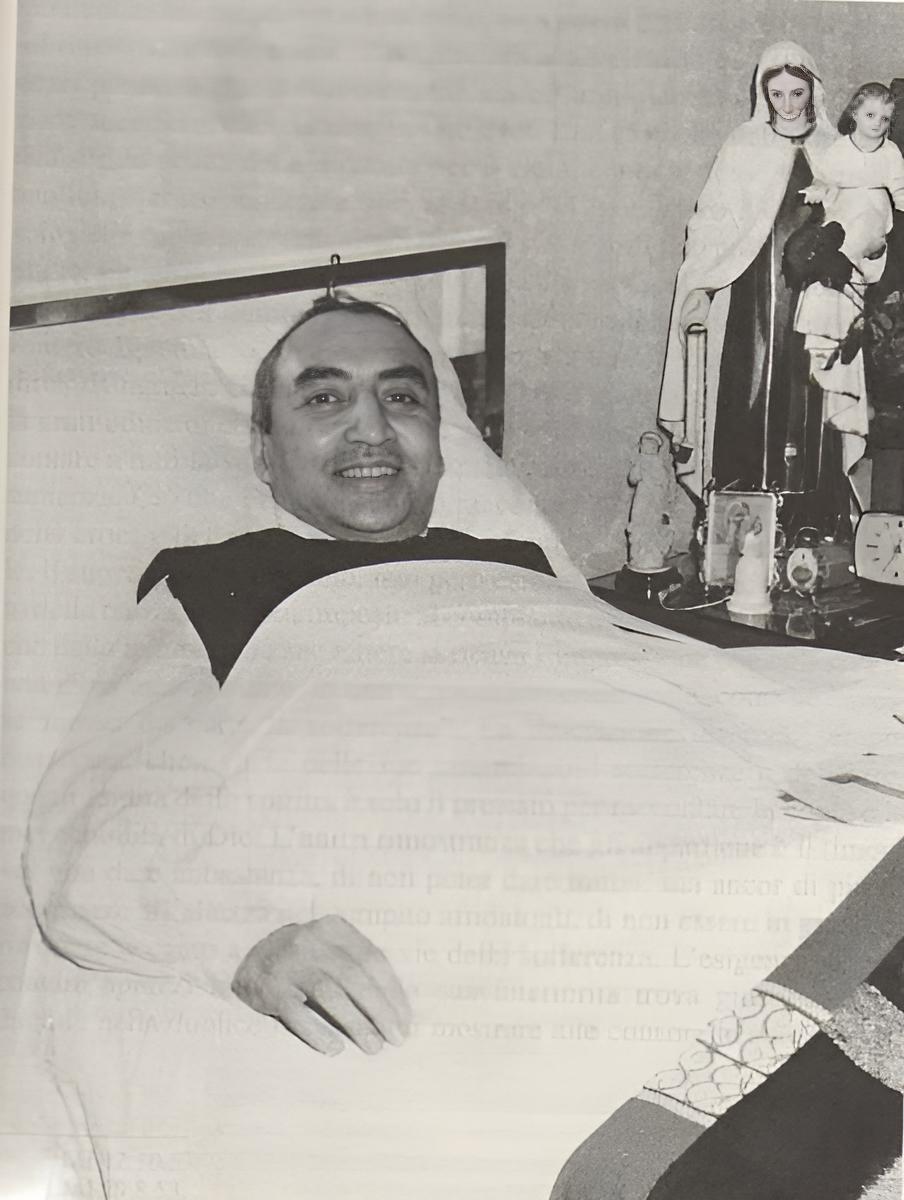
3) Blessed Edward Poppe (d. 1924)
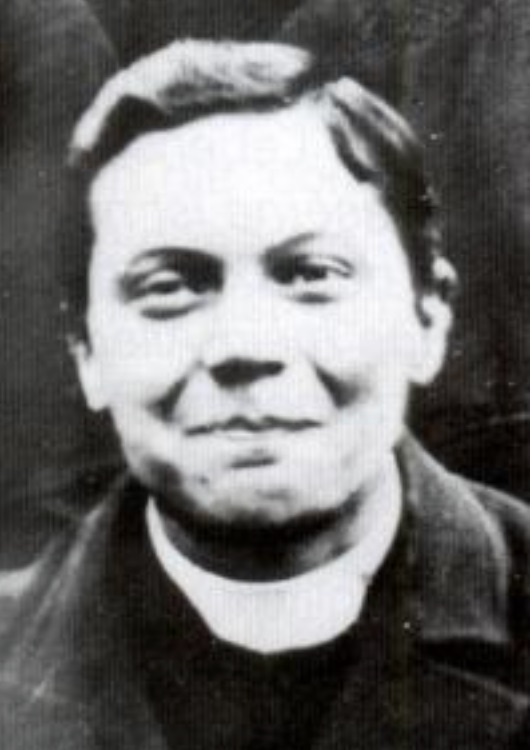
4) Venerable Carla Ronci (d. 1970) 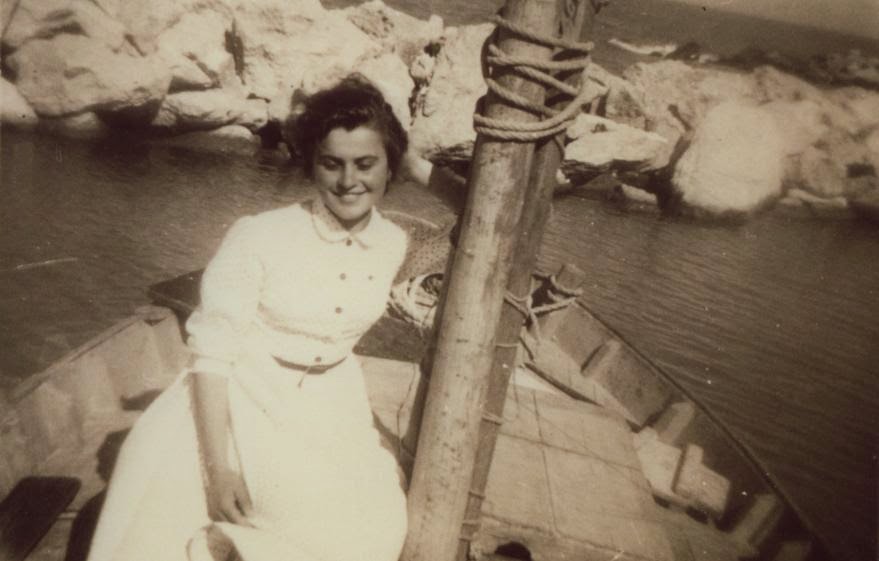
5) Blessed Chiara Badano (d. 1990) 
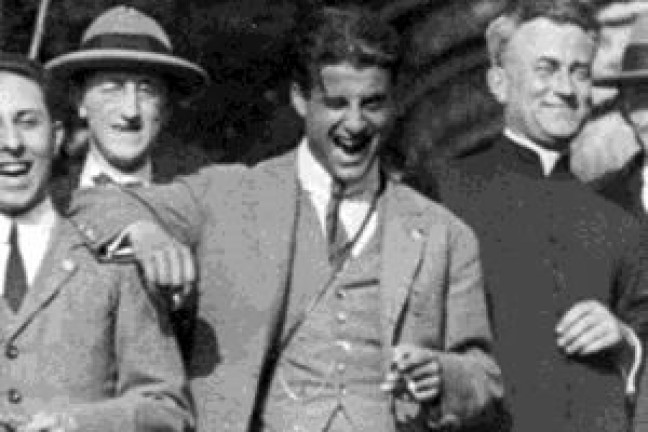
6) Saint Pier Giorgio Frassati (d. 1925)
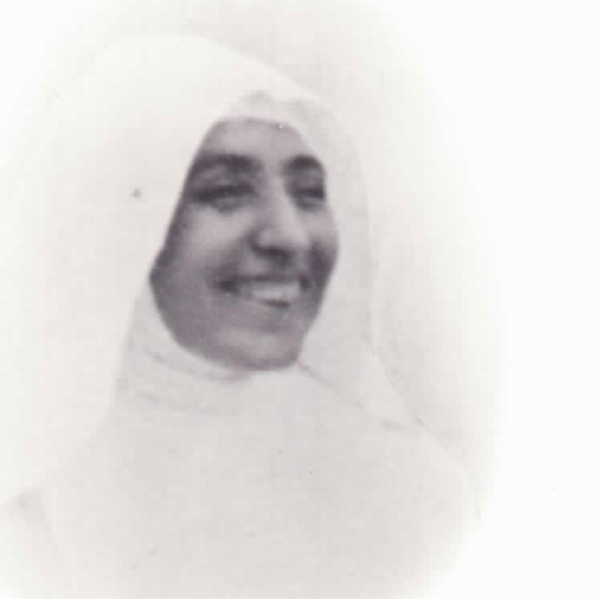
7) Blessed Liduina Meneguzzi (d. 1941)
8) Servant of God Anne-Gabrielle Caron (d. 2010) 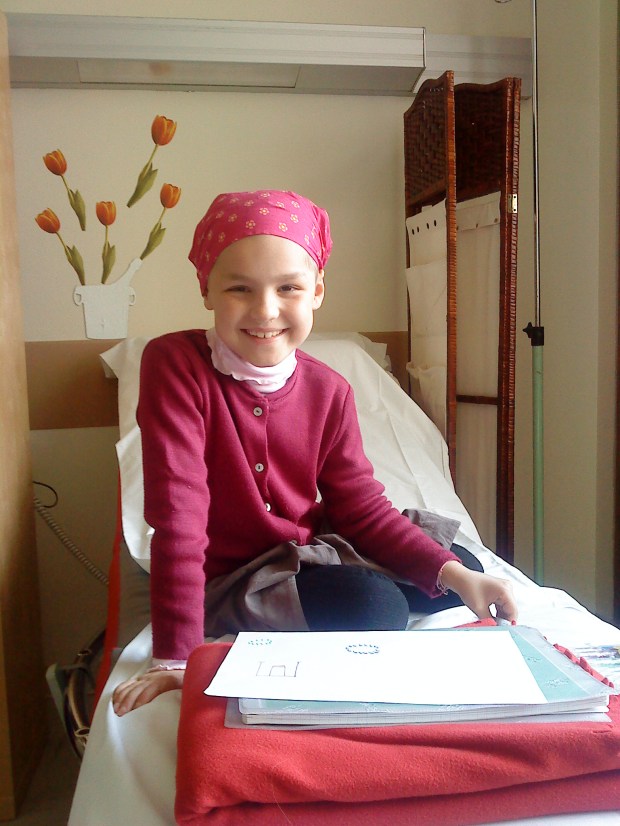
9) Servant of God Don Nicolò Daste (d. 1899)
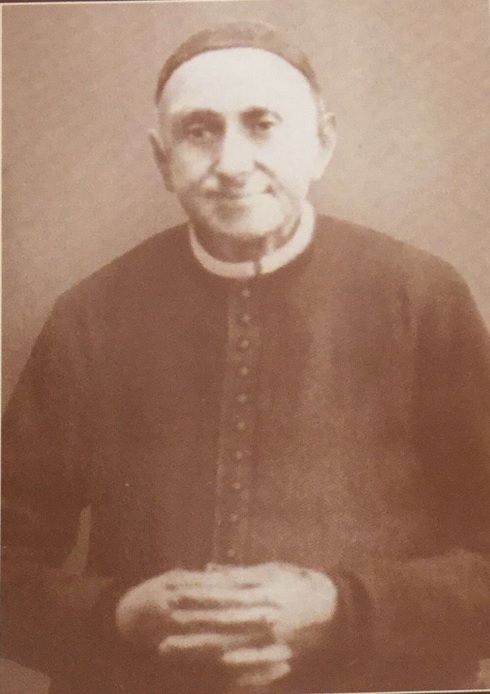
10) Servant of God Claire de Castelbajac (d. 1975)
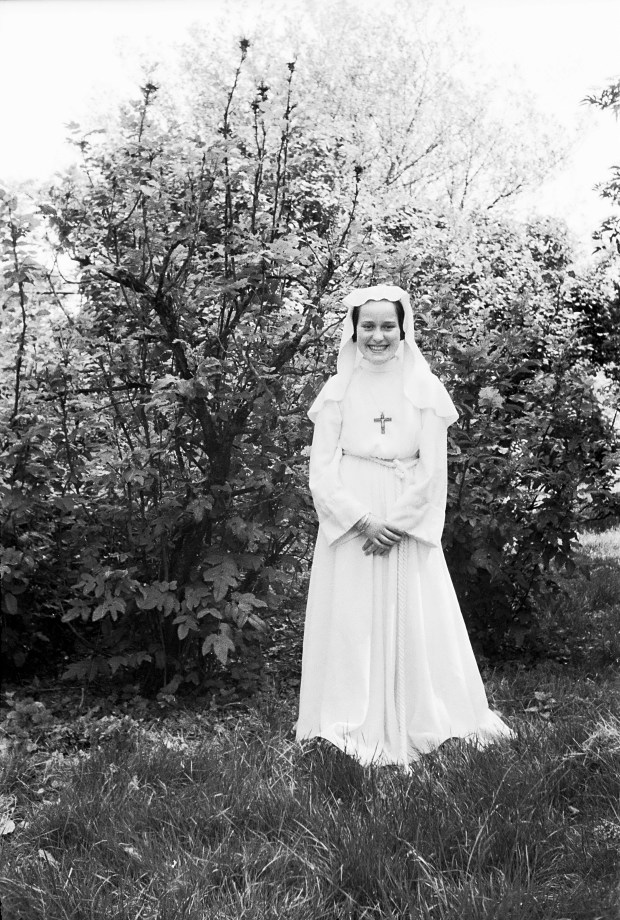
11) Servant of God Marcel Van (d. 1959)
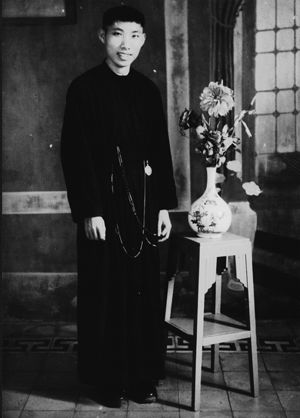
12) Servant of God Mother Yvonne- Aimée (d. 1951) 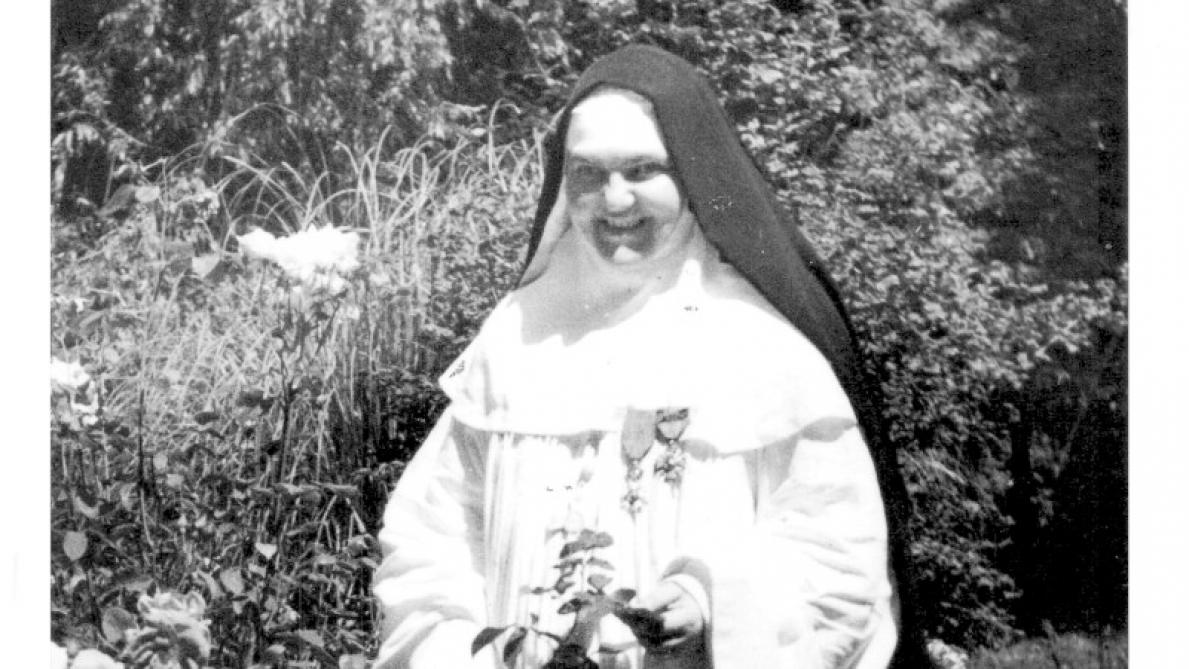
13) Blessed Alexandrina da Costa (d. 1955) 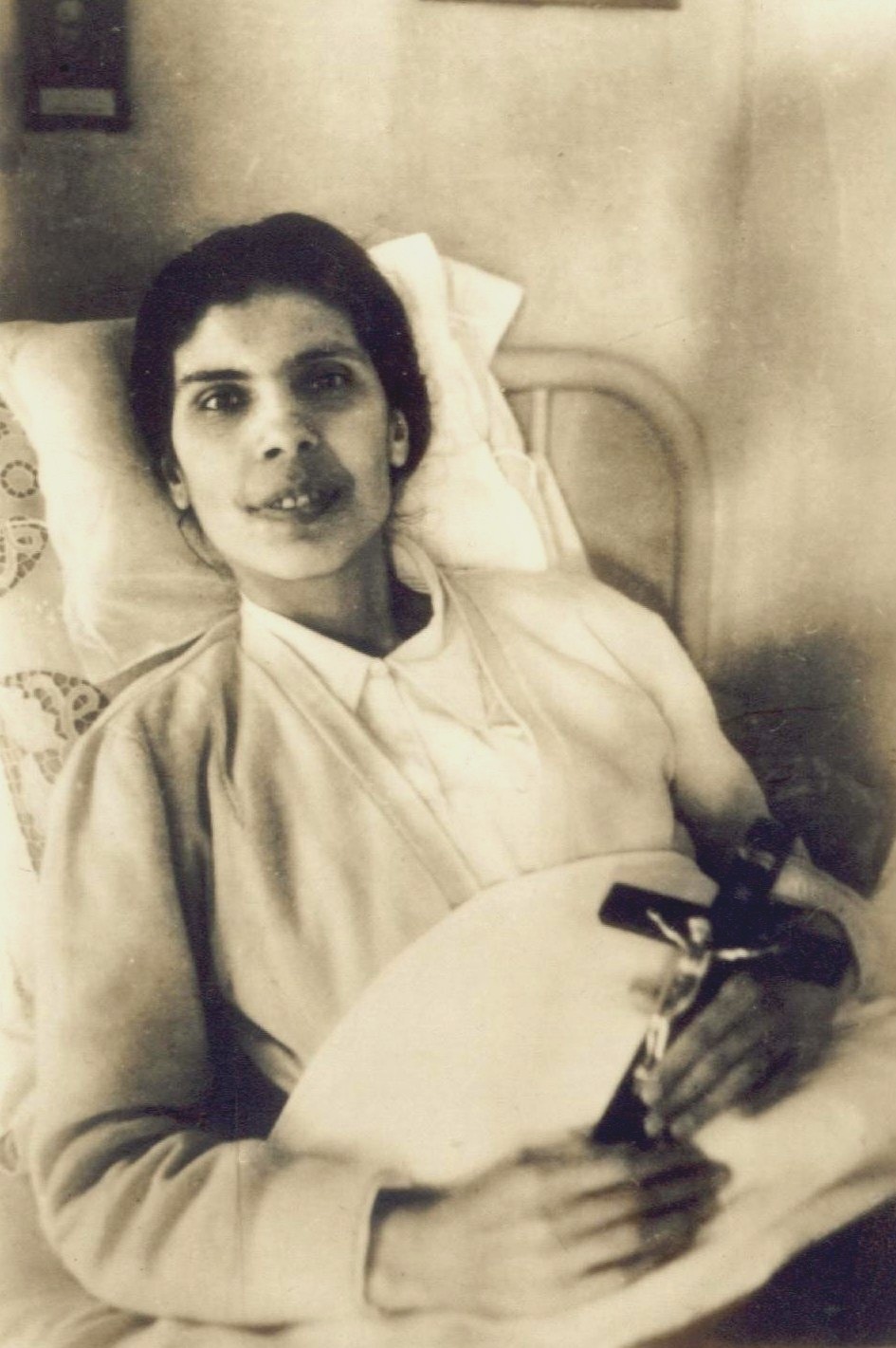
14) Blessed Ildefonso Schuster (d. 1954) 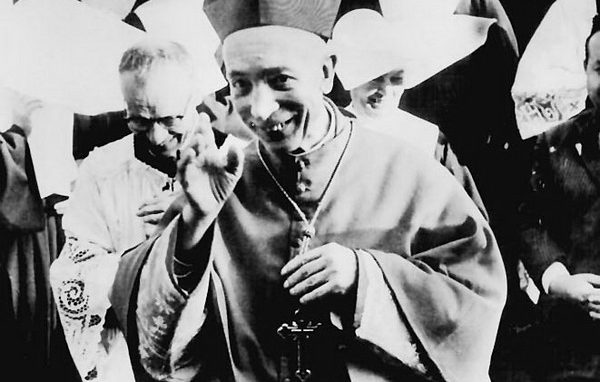
15) Blessed Martin Martinez Pascual (d. 1936)
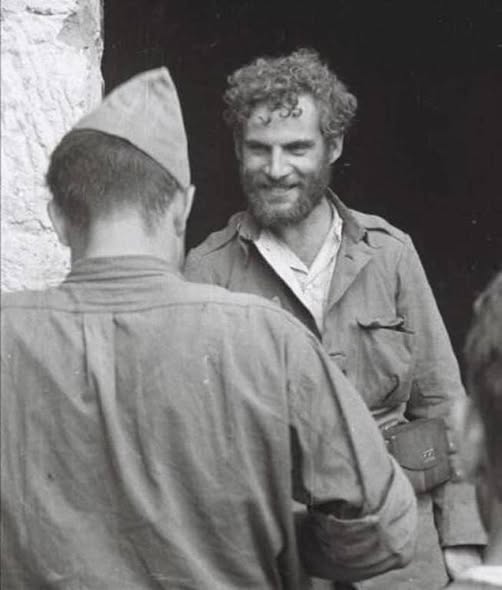
16) Blessed Conchita Barrecheguren (d. 1927) 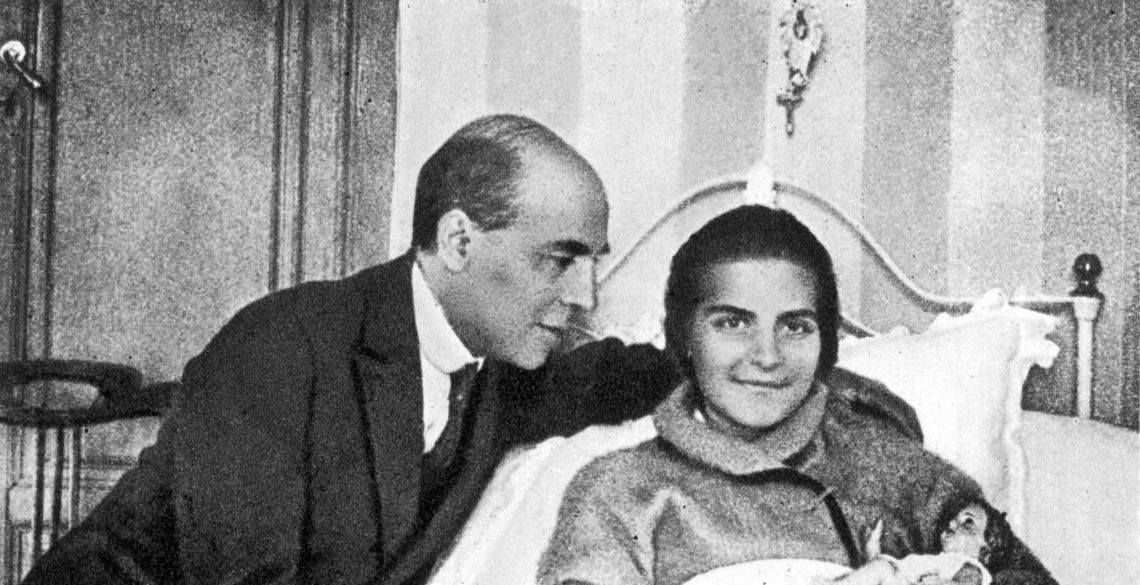
17) Venerable Jérôme Lejeune (d. 1994) 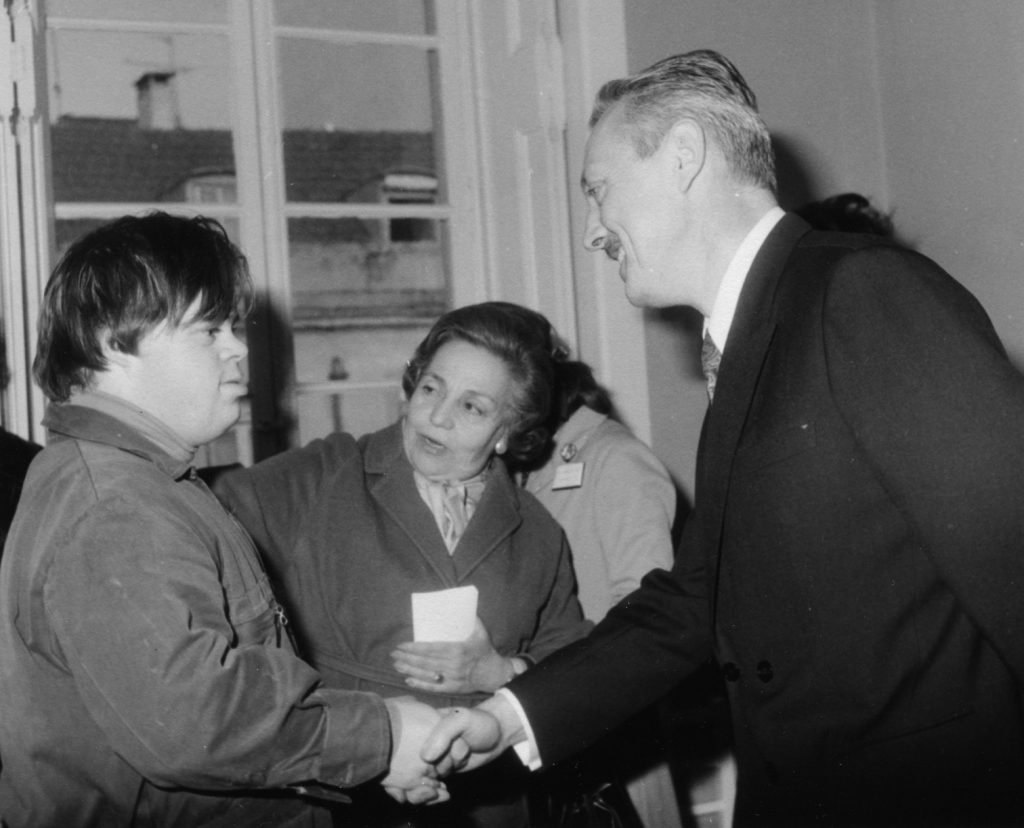
19) Venerable Antonietta Meo, aka Nennolina (d. 1937) 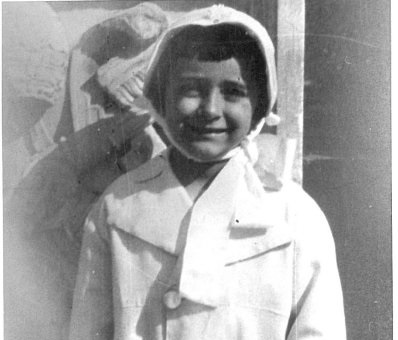
20) Saint Rafael Arnaiz Barón (d. 1938)
21) Servant of God Ángela Ginard Martí (d. 1936)
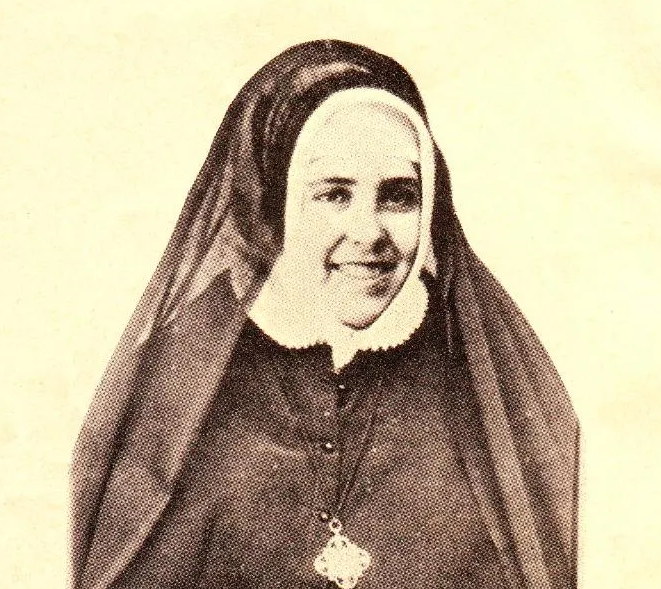
22) Pope Saint John Paul II
Filipino clergy, religious, and lay faithful residing in Rome gather to remember EDSA People Power as a moment of courage, unity, and moral clarity.
In the book “The Faith of the Future”, a homily by the then Cardinal presents Saint Monica and her attitude toward her son Saint Augustine as the personification of the ecclesial community: a space of life, of welcome, of freedom, where each person’s freedom is respected and faith is never imposed.
Pope Leo names four new auxiliary bishops for his diocese, all of whom were already active as parish priests in Rome.
Cardinal Matteo Maria Zuppi, president of the Italian Bishops’ Conference, presides at a prayer vigil in Rome organized by the Community of St. Egidio to mark the fourth anniversary of the beginning of the war in Ukraine.
The Holy See Press Office announces Pope Leo XIV’s upcoming Apostolic Journeys: ten days in Africa, between Algeria, Cameroon, Angola, and Equatorial Guinea, in April; one day in the Principality of Monaco at the end of March; and six days in Spain, between Madrid, Barcelona, and the Canary Islands archipelago, in June.
As healthcare and other essential services continue to deteriorate in Mozambique, a group of local women reject plans to distribute traditional dresses on Women’s Day, calling instead for urgent fixes to crumbling health systems.
The word of the LORD came to Jonah a second time:
"Set out for the great city of Nineveh,
and announce to it the message that I will tell you."
So Jonah made ready and went to Nineveh,
according to the LORD's bidding.
Now Nineveh was an enormously large city;
it took three days to go through it.
Jonah began his journey through the city,
and had gone but a single day's walk announcing,
"Forty days more and Nineveh shall be destroyed,"
when the people of Nineveh believed God;
they proclaimed a fast
and all of them, great and small, put on sackcloth.
When the news reached the king of Nineveh,
he rose from his throne, laid aside his robe,
covered himself with sackcloth, and sat in the ashes.
Then he had this proclaimed throughout Nineveh,
by decree of the king and his nobles:
"Neither man nor beast, neither cattle nor sheep,
shall taste anything;
they shall not eat, nor shall they drink water.
Man and beast shall be covered with sackcloth and call loudly to God;
every man shall turn from his evil way
and from the violence he has in hand.
Who knows, God may relent and forgive, and withhold his blazing wrath,
so that we shall not perish."
When God saw by their actions how they turned from their evil way,
he repented of the evil that he had threatened to do to them;
he did not carry it out.
R. (19b) A heart contrite and humbled, O God, you will not spurn.
Have mercy on me, O God, in your goodness;
in the greatness of your compassion wipe out my offense.
Thoroughly wash me from my guilt
and of my sin cleanse me.
R. A heart contrite and humbled, O God, you will not spurn.
A clean heart create for me, O God,
and a steadfast spirit renew within me.
Cast me not out from your presence,
and your Holy Spirit take not from me.
R. A heart contrite and humbled, O God, you will not spurn.
For you are not pleased with sacrifices;
should I offer a burnt offering, you would not accept it.
My sacrifice, O God, is a contrite spirit;
a heart contrite and humbled, O God, you will not spurn.
R. A heart contrite and humbled, O God, you will not spurn.
Even now, says the LORD,
return to me with your whole heart
for I am gracious and merciful.
While still more people gathered in the crowd, Jesus said to them,
“This generation is an evil generation;
it seeks a sign, but no sign will be given it,
except the sign of Jonah.
Just as Jonah became a sign to the Ninevites,
so will the Son of Man be to this generation.
At the judgment
the queen of the south will rise with the men of this generation
and she will condemn them,
because she came from the ends of the earth
to hear the wisdom of Solomon,
and there is something greater than Solomon here.
At the judgment the men of Nineveh will arise with this generation
and condemn it,
because at the preaching of Jonah they repented,
and there is something greater than Jonah here.”
Lectionary for Mass for Use in the Dioceses of the United States, second typical edition, Copyright © 2001, 1998, 1997, 1986, 1970 Confraternity of Christian Doctrine; Psalm refrain © 1968, 1981, 1997, International Committee on English in the Liturgy, Inc. All rights reserved. Neither this work nor any part of it may be reproduced, distributed, performed or displayed in any medium, including electronic or digital, without permission in writing from the copyright owner.
Bishop Erik Varden delivers his sixth reflection at the Spiritual Exercises in the Vatican for Pope Leo XIV, Cardinals residing in Rome, and heads of Dicasteries, focusing on the theme: “The Fall of Thousands.” The following is a summary of his reflection.
A 5 minute daily podcast to help you in your Lenten discipline.
Today we hear about the Roman Station: St. Mary Major, a review of Ember days, and then about our annual Lenten Retreat’s four preachers.

In the lead up to the launch of Eucharist28 on 1 March, St Peter Chanel & St Joseph Parish in Berala will host Eucharist 28: Deanery Mission, a three–day spiritual gathering designed to renew faith through prayer, reflection, and encounter with Christ.
Beginning on Friday 27 February with a talk by Sutherland parish priest Fr Daniel McCaughan, each night will include Eucharistic Adoration and confession. The Emmanuel Community will be leading a Mercy night on Saturday 28 February, followed by Adoration until midnight for those seeking deeper contemplation.
Then on 1 March, the parish mission will culminate with the “Walk with Christ,” a Eucharistic Procession led by Bishop Richard Umbers from Guilfoyle Park at 3pm.
Following the procession all are encouraged to participate in fellowship where food will be
available for purchase.
This parish mission, within the Central Deanery of the Catholic Archdiocese of Sydney, forms part of a larger launch around the country where all parishes have been asked to observe one hour of adoration, in preparation for the International Eucharistic Congress in 2028.
St Mary’s Cathedral will also be participating in the launch of Eucharist28 with a dedicated holy hour led by Archbishop Anthony Fisher OP, beginning at 4:30pm until 5:30pm. All are invited to attend.
Those attending the three day parish mission in Berala are encouraged to sign up here for a dedicated Holy Hour as Sydney officially begins the path toward 2028.
The post Road to Eucharist28 begins appeared first on The Catholic Weekly.

All of us, when we are alone, begin an interior conversation with ourselves. At first, this conversation turns around what we will have for lunch, or whether a colleague will beat us to the next promotion, and so on.
As we mature, our interior dialogue widens to the needs of our family and how we might provide for them, or to the suffering around us which goes unaddressed. These things begin to trouble us, and we feel our own inadequacy and the need for God. It is important to hold to this interior direction.
Often, we fall back into worldly preoccupations: into carelessness toward our neighbour, into long-held patterns of selfishness, at times to such an extent that inward glances become uncomfortable and we flee from them into a kaleidoscope of sensations and distractions. Yet in our hours of solitude this interior conversation begins again, despite all our efforts to stifle it.
We try to interrupt it, but it has a flow of its own and this, of course, is our natural river to God. He has made us for himself, as St Augustine reminds us, and our hearts are restless until they rest in him. The interior speaker seeks a companion to its monologue – an answerer to its questions, someone to confirm, console and correct. And as we learn to listen in the stillness, another voice speaks.
Prayer is the movement from the interior conversation one has with oneself to the interior conversation one has with God. Its progress from one to the other occurs through attention to the spiritual part of the soul. Such attention leads to the revelation of God to the soul: one begins to notice what God asks and what he desires to give.
Prayer is a lifting up of the soul to God by which we come into contact with the Blessed Trinity living within us. This touch of God transforms our character, making it more like his own. It is an intimate encounter called, by the spiritual masters, mental prayer: “Mental prayer is nothing else, in my opinion, but being on terms of friendship with God, frequently conversing in secret with him who, as we know, loves us” (St Teresa of Avila, Life, ch. 8).
While this is a spontaneous process, intimate and specific to each soul, there are tried and true principles discovered by the saints that help us along this road to God. First, prayer should proceed from our love of God and end in him; it should move us beyond ourselves. In loving God we seek to think of him, and contemplation of his beauty and goodness increases our love so that we seek him more urgently.
Second, prayer must be prepared for through humility. This humility normally prompts acts of repentance and adoration. These remove pride and pour down grace to aid our prayer. From there we make an act of faith in some fundamental truth – whatever draws us: Christ’s kindness, his courage, his humility, the mysteries of his life, our vocation, our last end, and so on.
This gaze of faith upon the truth and goodness of God gives rise to acts of hope, which in turn inspire acts of love. Such love should become more real as prayer deepens, eliciting desires for conformity of our will to his, for heroic fidelity to his designs for our life, and for a strong urge to break from whatever separates us from him.
It is often good, at the end of prayer, to resolve to address some area of character that is not yet what it should be. Prayer made in this way makes us more and more like Christ, for it is natural for a person to emulate – often without knowing it – those whom one loves; and the deeper the love, the closer the resemblance to the beloved.
As the soul develops in prayer, these acts of humility, faith, hope and love tend to fuse into a single gaze of ardent love. Prayer becomes a time of rest in God, almost a foretaste of heaven.
Trusting and confident fidelity to mental prayer is the most effective way to heaven. Let St Thérèse of Lisieux have the last word. Reflecting on her fidelity to prayer within Carmel and the suffering she had endured, she exclaimed to her sister Céline about the progress they were now making: “We no longer walked – we ran, we flew along the path of perfection” (Story of a Soul, ch. 7).
The post What is prayer? appeared first on The Catholic Weekly.

The Australian government will not support the repatriation of the 11 “ISIS brides” and their 23 children, Prime Minister Anthony Albanese announced recently.
“My mother would have said if you make your bed, you lie in it,” Mr Albanese told the ABC. “These are people who went overseas supporting Islamic State and went there to provide support for people who basically want a caliphate.”
Plans for their journey back to Australia from a detention centre at al-Roj in northeastern Syria were blocked earlier this month by Syrian authorities because of the security situation.
The 34 are all Australian citizens – the spouses, widows and children of jailed or deceased ISIS militants. The ABC managed to cobble together sketchy profiles of the 11 women. They range in age from their 20s to over 50. Some claim that they were trapped there after the border with Türkiye was closed.
According to reports they all have documentation which will permit them to enter Australia. Nonetheless, Minister for Immigration Tony Burke has slapped a temporary exclusion order on one unnamed woman. She will not be permitted to enter Australia for two years while the government studies her case.
As in the UK, the US, Norway, Denmark and other countries, repatriation of camp residents is an incendiary issue.
Herald-Sun columnist Andrew Bolt opined that they must reject ISIS ideology before being allowed back into Australia. On the other hand, letter-writers to the Sydney Morning Herald insisted on “the rule of law and the presumption of innocence.”

From a humanitarian perspective, the living conditions at al-Roj are harsh.
According to a special rapporteur for the UN Human Rights Council, Fionnuala Ni Aolain, conditions in the camp where they are being held, al-Roj, in northeastern Syria, near the Iraqi border, are difficult.
When she visited in 2023, she found that the camp’s residents had limited access to water, healthcare, and education. Many of the women could not speak Arabic and could not communicate with health workers. Nearly all suffered from asthma due to the dust from nearby oil fields.
From a security perspective, repatriation could be risky. According to the Washington Institute for Near East Policy, “IS ideology persists in the camp, and younger residents remain particularly vulnerable to indoctrination”.
However, Catholic Social Services Australia (CSSA) contends that it is simply unchristian to deny the 34 their right to return to Australia.
“These women are mothers, daughters, and sisters who, even if they have made grave mistakes, remain deserving of our compassion and mercy – especially the children who have been caught up in the conflict,” says CSSA CEO Dr Jerry Nockles.
“To deny them the opportunity for redemption is to deny the very essence of our Catholic tradition.”
“As Lent begins, we are reminded that Christianity is not merely performative but a matter of deep conviction. We are called to break our hearts, not tear our clothes. We must open our hearts to those on the margins, because hardened hearts are cold hearts, and cold hearts are uncompromising hearts.”

Melkite Bishop Robert Rabbat was more reserved about welcoming the women and their children back.
“The presumption of innocence should always prevail, in order not to lose our essence as Australians, while abiding by the commandment of our Lord: ‘Be docile like a dove, but wise like a snake,’” he told The Catholic Weekly.
“Hence, a thorough and proper investigation, even if lengthy, should be done, ie separating the wheat from the chaff, those who are legally Australians from those who are not, prior to bringing back the women and children living in camps in Syria to Australia. The return should also be conditional.
“Finally, a proper welcoming process should be also put in place in Australia prior to their arrival, in order to help them fully and properly reintegrate rightly into society.”
In any case, legally, even if the Albanese government does not support the return of the 34 – when and if they are permitted to leave al-Roj – it cannot stop them.
“The constitutional law relating to this issue has only been settled in the last few years,” Professor Patrick Keyzer, of Australian Catholic University, told The Catholic Weekly in an email.
“The High Court has said that the exile of a citizen is punitive in character, and can only be ordered by a court. So if these women and children are citizens of Australia, they have a right of return.”
The post Should humanitarian or security priorities prevail? appeared first on The Catholic Weekly.

The German bishops’ conference announced that it has elected Bishop Heiner Wilmer of Hildesheim as its next president.
He will serve as president for a six-year term, succeeding Bishop Georg Bätzing of Limburg, who chose not to seek reelection during the conference’s 23-26 February spring plenary assembly in Würzburg.
Bishop Wilmer has supported Germany’s controversial Synodal Way reforms, including blessings for same-sex couples and expanded roles for women.
At a press conference after his election 24 February, Bishop Wilmer expressed his gratitude to his fellow bishops for their trust and to Bishop Bätzing for leading “our conference in difficult times.”
Addressing German Catholics in the country, the new president of the German bishops’ conference said they were the “living face of the church” and said faith was a “source of strength” that provides “support and connects generations.”
“Pope Francis made clear to us that the Gospel is joy; a joy that sustains and moves us. Pope Leo (XIV) continues this path with spiritual clarity,” he said. “The worldwide synodal process has shown us how valuable it is to listen together. Synodality remains a spiritual attitude: journeying together, sharing responsibility, bearing decisions together.”
Bishop Wilmer also addressed victims and survivors of clergy sexual abuse, acknowledging that “their voices carry weight.”
“Every step of coming to terms with the past gains depth and truth through their testimony,” the bishop said. “Listening and reliability shape this path. In this way, a space can emerge in which dignity is protected and trust can grow anew.”

Bishop Wilmer was ordained a priest of the Congregation of the Sacred Heart Fathers, or Dehonians, in 1987. After serving as a provincial of his congregation in Bonn and Rome, he was appointed bishop of Hildesheim by Pope Francis in 2018.
He drew criticism a few months after being made a bishop for comments he made against the Catholic Church’s approach toward abuse. In an interview with the German newspaper Kölner Stadt-Anzeiger, Bishop Wilmer said he believed that “abuse of power is in the DNA of the Church.”
He also said that Catholics “must abandon this notion” that the church is entirely pure and spotless because there are “structures of evil” within it, according to the Bonn-based Katholisch.de online news agency.
Cardinal Rainer Maria Woelki of Cologne responded to Bishop Wilmer’s statement, saying that “if that were the case, then I would have to leave the church.”
While countering Bishop Wilmer’s assertion, Cardinal Woelki acknowledged that “for far too long, we did not believe the victims and that for far too long we did not consider such a thing possible. This is a grave guilt that we have incurred.”
Prior to his election, Bishop Wilmer served as chair of the bishops’ conference’s Commission for Social and Societal Issues as well as the Commission for Justice and Peace.
The new bishops’ conference president has also been a strong supporter of the Synodal Way, a reform process established in response to a 2018 report known as the Mannheim, Heidelberg and Gießen study, or MHG, a comprehensive investigation into clergy sexual abuse in Germany from 1946-2014.
The Synodal Way’s push for revising established church teachings on homosexuality, women’s ordination and priestly celibacy prompted concerns by bishops around the world that it would set a dangerous precedent that would ultimately break German Catholics away from the universal church.

Bishop Wilmer has spoken in favor of allowing blessings for same-sex couples, which was among the Synodal Way’s proposals. In a 2023 letter addressed to the faithful of his diocese, the bishop said that it had become clear “that we need significant changes in sexual morality within the Catholic Church.”
“It is very important to me that LGBTQ people receive pastoral, spiritual, and liturgical accompaniment,” he wrote. “I welcome the fact that the Synodal Way advocates establishing a working group to develop guidelines for blessing ceremonies for same-sex couples as well as for divorced and remarried couples.”
In the past, he has also advocated for women’s ordination. According to German radio station Domradio, Bishop Wilmer said, “Women urgently need to assume leadership and positions of responsibility.”
“We can no longer simply say: The question of whether women should be admitted to ordination is settled. I trust in the Holy Spirit on this,” he said in a 2019 interview with German newspaper Süddeutsche Zeitung.
In December, the Vatican published a seven-page synthesis report from the “Study Commission on the Female Diaconate,” which voted against ordaining female deacons and deferred the issue to “further theological and pastoral study.”
At the press conference, Bishop Wilmer was asked what he would like to “say to women in the church” and those hoping for change. However, his response was cut from the video published on the German bishops’ conference YouTube page.
In response to another journalist, who asked about his 2019 remarks regarding women’s ordination, the bishop did not respond directly about his remarks and instead welcomed “the fact that the global Synod (of Bishops) has placed the topic of women in ministries and services on the agenda.”
“I remain convinced that the Holy Spirit is at work today as well. I look forward to the surprises of the Holy Spirit,” he said before concluding the press conference.

Among those most concerned by the direction the Synodal Way was taking was Pope Francis, who had criticised the path the German bishops were taking.
In a 2023 interview with The Associated Press, the late pontiff said Germany’s synodal process was being led by the “elite” and warned that it was guided by ideological principles rather than the Holy Spirit.
“When ideology gets involved in church processes, the Holy Spirit goes home, because ideology overcomes the Holy Spirit,” he said.
The post German bishops’ conference elects proponent of controversial Synodal Way as president appeared first on The Catholic Weekly.

By Junno Arocho Esteves, Paulina Guzik, OSV News
News of the arrest of Andrew Mountbatten Windsor, followed by 24 February arrest of Peter Mandelson, former British ambassador to the United States – made headlines around the world, given its unprecedented nature.
The former prince’s 19 February arrest on misconduct allegations related to his time serving as the UK’s trade envoy was the latest in the fallout due to the recent release of files of convicted sex offender and financier Jeffrey Epstein.
For years, Mountbatten Windsor has faced allegations of sexual misconduct by victims trafficked by Epstein, one of whom committed suicide in 2025.
The arrest was the latest reckoning of those associated with Epstein after the US Department of Justice was forced by Congress to release a 3-million-page tranche of documents.
Despite Epstein having a photo in his office of himself and co-conspirator Ghislaine Maxwell greeting St John Paul II at what appeared to be a public audience, the files revealed Epstein’s disdain for anything or anyone associated with the Catholic Church.
Among the many revelations were that Steve Bannon, a former White House chief strategist during President Donald Trump’s first term, and Epstein discussed strategies to undermine the late Pope Francis.
According to a Religion News Service report published 11 February, Bannon and Epstein would often speak negatively about the Vatican under the late pope and expressed hopes of taking him down.
Both men spoke of their involvement in a documentary that was never made based on the controversial book “In the Closet of the Vatican.”

The book, written by French journalist Frédéric Martel, accused the Vatican of hypocrisy, claiming that the majority of prelates working within its walls lived active homosexual lifestyles.
“Will take down Francis,” Bannon wrote to Epstein. “The Clintons, Xi, Francis, EU – come on brother.”
“The weaponisation of information is a classic resource for a dirty war in the public sphere,” said Father Jordi Pujol, associate professor of media ethics and law at the School of Church Communications at Rome’s Pontifical University of the Holy Cross.
“It’s a nasty turn of a ‘shame culture,’ which in social media has also gained volume and pervasiveness,” he said.
Body of Christ betrayed
During a 2014 news conference aboard the papal flight to Rome after his visit to the Holy Land, the late Pope Francis said the abuse of children by members of the clergy was “truly a horrible crime” that betrayed “the body of the Lord.”
“It is like saying a black mass. You are supposed to lead them to holiness and you create a lifelong problem for them,” the pope said.
Fast forward to 2026, and the sacrilegious nature of Epstein’s abuse seemingly fits the late pontiff’s description. One of the most disturbing revelations from the documents involved a message Epstein sent to an unnamed person regarding a young victim who had expressed her reliance on her faith to cope with her situation.
“(Redacted) said that she felt gods presence next to her when she was in bed.. she knows that jesus watches over her and he helped save her life. Whoops,” Epstein wrote in an unedited email published by the Justice Department.

Asked for a comment on the Epstein files and patterns of abuse used by influential people in his circles, Father Hans Zollner, Jesuit expert and director of Institute of Anthropology at the Pontifical Gregorian University in Rome, said that while “we must be cautious about presenting the church as an authority in this area, because we are not through this process ourselves,” he admitted that when he read about the stories of abuse on Epstein Island “it was very harrowing.”
“These were girls who were trafficked, who suffered the most despicable horrors at the hands of people who had promised them luxury, influence, and wealth. They were probably also longing for real love and understanding – and what they found was hell.”
Asked about the lack of any kind of respect for the dignity of another person – like in the case of a victim who hoped her faith would protect her – Father Zollner said that some perpetrators “are not only highly narcissistic but are also sociopaths” – people who, “by definition, lack conscience,” Father Zollner said. “They don’t feel any remorse and they don’t feel any guilt. They take pleasure in seeing people suffer. That doesn’t mean that they are without emotions or the capacity to read another person.”
“When someone like this finds that a person clings to faith, clings to other values which (an abuser) despises, then you take pleasure in shoveling that in the face of people and hurting them more,” Father Zollner said. “It’s difficult to understand, but there are people like that. Yes.”
Asked about the fact that many people turned a blind eye on what happened in Epstein circles, Father Zollner, who researched psychological aspects of sexual abuse for over two decades, said that “belonging to influential groups can create a segregated world – a bubble – in which people feel entitled and detached from ordinary responsibility.”
This, he said, “does not depend on intelligence, success or upbringing. It can occur anywhere that belonging to a certain elite creates a sense of being untouchable.”
Within such circles, Father Zollner said, there is often a tacit understanding: “Don’t expose me, and I won’t expose you.”

“Even people with different convictions may protect each other because they know how much harm the other could cause in return. In this environment, moral criteria fall away and boundaries are easily overstepped,” the IADC director said.
For many Catholics, hearing about the “evil” actions of people in positions of authority and influence, which include world leaders, tech giants, philosophers and royalty, feels very similar to the pain felt when hearing about abuses committed by members of the clergy.
While it is difficult for many, both within and outside the church, to find the truth without falling into despair, Father Pujol told OSV News that, amid the scandals, “hope is the key at stake here.”
“In the church, we are trying to walk our own path of conversion and healing from this terrible wound” of abuse, he said. “There’s no other way but forward. This path is humbling and hard but full of hope, because it’s not cosmetic; it departs from truth and justice.”
Father Zollner, for his part, urged more prayer for victims of abuse – an appeal that relates back in the mystery of Christ’s suffering and one that his institute took initiative on this Lent by offering Lenten reflections that invite to pray for survivors of sexual abuse.
Both experts, however, admit that while the Catholic Church has spent decades trying to learn from painful lessons about how to handle abuse and cover-ups, it still has a long way to go in fostering accountability and transparency before it can serve as an example for the secular world.
“I hesitate in presenting the church as an example, because I see how some people in the church have not got it yet,” Father Pujol said. “Some of the damage done will require a very long journey of accompanying” those who have suffered “the consequences of the hurt” and pain it has caused.
“However,” he added, “transparency has revealed itself as a good disinfectant.”
Father Zollner highlighted that, in the church, “we have learned from listening to victims and survivors and from accompanying their healing and reconciliation processes,” but at the same time “we cannot now claim expertise or offer simple solutions. Any contribution must be a result of sincerity and ongoing commitment to a journey that is far from over.”
The post The Epstein files and the desecration of the sacred – what they reveal and how to read them appeared first on The Catholic Weekly.

Two prominent Catholic cardinals have expressed their profound concern and sorrow over a recently announced decision by the Society of St Pius X – which rejects the authority of the Second Vatican Council – to ordain bishops this summer without papal approval.
“The only solution possible in conscience before God is for the Society of St Pius X … to recognise our Holy Father Pope Leo XIV as the legitimate Pope not only in theory but also in practice, and to submit to his teaching authority and his primacy of jurisdiction without preconditions,” wrote Cardinal Gerhard Müller, former prefect of what is now the Vatican’s Dicastery for the Doctrine of the Faith, in a 21 February piece published by the independent Austrian Catholic newsmagazine Kath.net.
“Can one who abandons the Chair of Peter still claim to be within the Church of Christ?” asked Cardinal Robert Sarah, prefect emeritus of the Dicastery for Divine Worship and the Discipline of the Sacraments, in a statement published in part 22 February in the French weekly Le Journal du Dimanche.
Citing the cardinal’s permission, Vatican journalist Diane Montagna provided the full text of Cardinal Sarah’s plea, translated into English from the original French, in a 23 February post on her Substack page.
The cardinals’ statements followed a 18 February letter from SSPX superior Father Davide Pagliarani declining further dialogue with the Vatican on terms proposed by the latter.
Father Pagliarani also advised the Vatican that his order – founded in 1969 by Archbishop Marcel Lefebvre – would proceed with planned episcopal ordinations on 1 July.

“We both know in advance that we cannot agree doctrinally, particularly regarding the fundamental orientations adopted since the Second Vatican Council,” Father Pagliarani wrote in the letter to Cardinal Víctor Manuel Fernández, prefect of the Vatican’s Dicastery for the Doctrine of the Faith.
The dicastery, which had sought to resume talks with SPPX, had warned that proceeding with the consecrations “would imply a decisive rupture of ecclesial communion (schism) with grave consequences for the Fraternity as a whole.”
Along with the letter, made public 19 February, SSPX published a statement on its website arguing that it does not believe it is acting in schism.
The long-running strain between SSPX and the Vatican, which St John Paul II, Pope Benedict XVI and Pope Francis sought to address, has left the society in “irregular” canonical status, while dampening Pope Leo XIV’s efforts to further Christian unity.
In their respective statements, Cardinal Müller and Cardinal Sarah urged Church unity, even as they respectively acknowledged frustrations with certain liturgical abuses and deviations from Church teaching among some clergy.
However, both firmly asserted that SSPX’s defiance of papal authority – while claiming to preserve church tradition – was theologically untenable and schismatic.
“I know only too well how the Deposit of Faith is sometimes scorned even by those who have the mission to defend it,” wrote Cardinal Sarah. “But the surest protection against error and heresy remains our supernatural and canonical attachment to the Successor of Peter.”

He added, “We are told that this decision to disobey the law of the church is motivated by the supreme law of the salvation of souls. … But salvation is Christ, and he gives himself only within the church. How can one claim to lead souls to salvation by paths other than those He Himself has indicated to us?”
“Rightly so, not only the Society of St Pius X, but a large part of the Catholic population laments that under the guise of Church renewal – with the process of self-secularisation – great uncertainties regarding dogmatic questions and even heresies have infiltrated the church,” wrote Cardinal Müller, who also pointed to Germany’s controversial Synodal Way, which he said “is indeed about introducing heretical doctrines.”
“But,” Cardinal Müller said, “even in the 2000-year history of the church, heresies from Arianism to Modernism were only overcome by those who remained in the church and did not turn away from the pope.”
The cardinals both cited Scripture, the Second Vatican Council, church history and the witness of several saints in their statements, urging the SSPX to reject schism and return to communion with Rome.
Both Cardinal Müller and Cardinal Sarah in particular referenced St Catherine of Siena, a 14th-century Dominican tertiary and mystic who challenged Pope Gregory XI, Pope Urban VI and other papal officials to foster church unity and reform.
Cardinal Sarah observed that the saint, “who did not hesitate to rebuke cardinals and even the pope, declares: ‘Always obey the shepherd of the church, for he is the guide whom Christ has established to lead souls to himself.'”
“The good of souls can never be served by deliberate disobedience, for the good of souls is a supernatural reality,” said Cardinal Sarah. “Let us not reduce salvation to a worldly game of media pressure.”

“If the Society of St Pius X is to have a positive impact on church history, it cannot fight for the true faith from a distance, from the outside, against the church united with the pope, but only within the church, with the pope and all orthodox bishops, theologians, and faithful,” said Cardinal Müller. “Otherwise, its protest remains ineffective and is even mockingly misused by heretical groups to accuse orthodox Catholics of sterile traditionalism and narrow-minded fundamentalism.”
“The best way to defend the faith, Tradition, and the authentic liturgy will always be to follow the obedient Christ,” said Cardinal Sarah. “Christ will never command us to break the unity of the church. As Saint John Chrysostom says: ‘The unity of the church, preserved by the Holy Spirit, is more precious than all the riches of this world.'”
The post Cardinals Müller, Sarah urge SSPX to submit to papal authority appeared first on The Catholic Weekly.

Pope Leo XIV revealed more about his childhood vocation story during a 22 February visit to Rome’s Church of the Sacred Heart of Jesus, a parish run by the Salesians.
The Chicago-born pope said that before entering the Augustinians, he considered joining Don Bosco’s congregation – and joked they “came in second place” in his discernment “As a boy, before joining the Augustinians, I also visited the Salesian community,” he said.
Born Robert Francis Prevost and raised in suburban Chicago, the future pope showed early signs of his vocation. His brother once told OSV News, “From the youngest age, he (just) knew that that’s what he was going to do.
It wasn’t that there was ever a doubt in anyone’s mind. Even going to kindergarten he knew that he was going to be a priest.”
During his Sunday visit, the pope told Salesians, “Perhaps there is something that has remained in my heart, also united with you, in the Salesian community,” and he urged them: “Live this spirit of Jesus’ love by following the example of Don Bosco.”
The post Pope Leo XIV says he considered a vocation with the Salesians as a boy appeared first on The Catholic Weekly.

My general intention for Lent this year is to prepare the way of the Lord in my own heart, mostly by consciously spending more time in his presence.
So on Friday of the first week of Lent, I went to Stations of the Cross for the first time in around eight years. What’s been keeping me away was the usual timeslot of 7pm or 7.30pm. For me, Fridays in Lent come at the end of a tiring working week.
It turns out our local parish has Stations of the Cross at 6pm, which is perfect timing. But I still wouldn’t have gone if my sister hadn’t invited me to go with her. I’m so glad I did. It was simple, no fuss, took around 20 minutes, and was utterly harrowing.
Our parish uses St Alphonsus Liguori’s brief meditations on the way of the Cross. You can find them online, so look them up if you don’t know them. It struck me how long it had been since I had really looked hard at what Jesus did for me in the Passion.
It had also been a long time since I said out loud that I wished to die with him, and that I was prepared to give him my whole self and let him do what he willed with me. Because actually, I don’t want that. But I remember a time when I did want to die with Jesus.
When you are a young and fervent Catholic, martyrdom and other horrors seem reasonably appealing and soul-stirring. But when you’re a fat and tired old Catholic who likes sitting on the couch, the whole thing becomes much less attractive.

C S Lewis said that avarice was the great sin of middle age. I think that addiction to comfort and a hearty dose of cowardice are also strong contenders here. And as for letting God do what he wills with me, that’s a daily battle in which God usually comes off second-best.
In the spirit of preparing a way for the Lord, it’s confronting to realise that the main obstacle in his path is me. I thought it might be other people, or stuff, or my work. But in fact, it’s me.
And the way in which I deal with the difficulties of other people, stuff, and work revolves around a single central point – who I believe Jesus to be at any given point in my life. If I habitually think of Jesus as a distant but very kind friend, then that’s how I’m going to act. I’ll get on with my life and not think of him much at all.
If I then think of Jesus as a lover and a spouse, I’ll start to realise how little I love him in return. And if I then think of him in the reality of his suffering and the magnitude of his generosity in the Passion, it shines a very unflattering spotlight on my own negligence and spiritual laziness.
You can’t prepare the way of the Lord and remove the obstacles in that way if you can’t see them. But I can testify that spending time wrapped in a sort of opaque spiritual cotton wool is much more enjoyable than the radiant glare of painful self-awareness.
This Sunday we read the gospel of the transfiguration – the time when Peter, James and John literally saw Jesus in a different light. They saw him as God, full of light, and in conversation with Moses and Elijah, the greatest leader and greatest prophet known to the people of God at the time.

I’m guessing they also saw themselves in that light and became confused and overcome. It’s telling that once the light vanished, they saw “only Jesus.” Yes, that means “Jesus by himself.” But it can also “just good old Jesus who we know on an everyday basis.”
“Good old Jesus” is much less demanding and confronting than Jesus as a powerful and all-knowing God. This is probably why so many of us prefer to reduce him to “good old Jesus” and keep him there.
So it was good to go to Stations of the Cross and be shocked into “seeing good old Jesus” in a different light. It was good to see him instead as a magnanimous, brave, humble man who wants only to save me from my own selfishness.
In the spirit of the transfigured Lord, open yourself up to some Lenten enlightenment this week. It may surprise you when you least expect it.
You may not enjoy it. But it will absolutely help you prepare the way of the Lord.
The post Philippa Martyr: Seeing Jesus in a different light appeared first on The Catholic Weekly.
In a message to the Theological-Pastoral Congress on the Guadalupan Event, held in Mexico City from 24 to 26 February 2026, Pope Leo XIV presents Our Lady of Guadalupe as a model of authentic inculturation and a lasting criterion for the Church’s evangelising mission.
Bishop Erik Varden delivers his fifth reflection at the Spiritual Exercises in the Vatican for Pope Leo XIV, Cardinals residing in Rome, and heads of Dicasteries, focusing on the theme: “ The Splendour of Truth”. The following is a summary of his reflection.
As Ukraine endures its fourth brutal winter of war, Pope Leo XIV has stepped in to answer a desperate plea from local bishops, sending a truckload of critical medical supplies and electric heaters to those most in need.
Elon Musk dressed as Satan. Don't follow him, follow 'Catholic.Community' with RSS/Atom